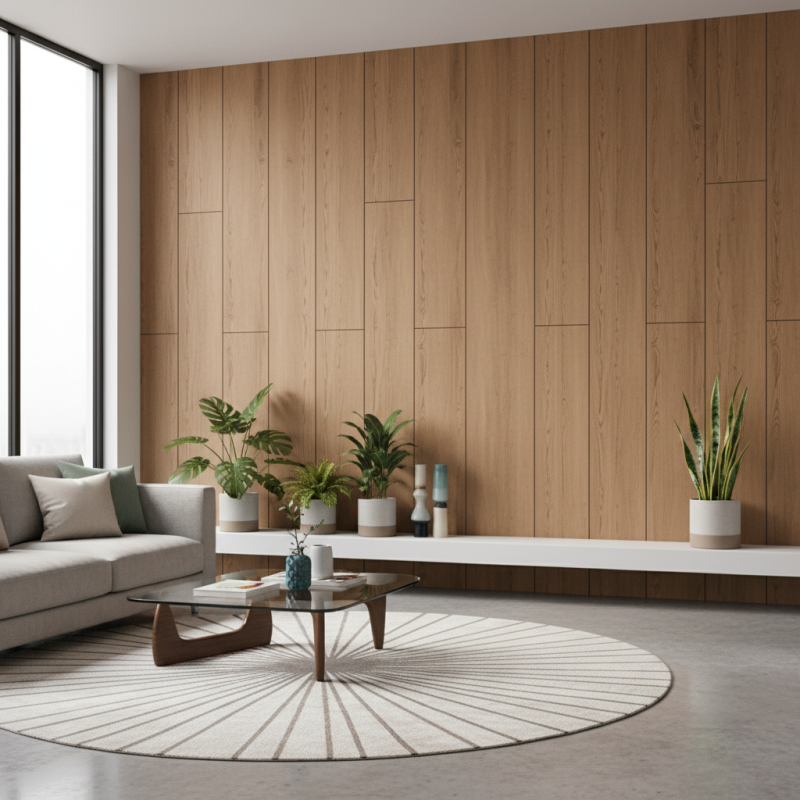
What is Wpc Wall Panel Decoration Benefits and Uses?
Wpc Wall Panel Decoration has gained popularity for its versatile applications and aesthetic appeal. This material not only enhances the visual aspect of interiors but also offers practical benefits. WPC, or Wood Plastic Composite, combines wood fibers with plastic, ensuring durability and resistance to moisture.
Many homeowners and designers appreciate Wpc Wall Panel Decoration for its easy installation process. This product can be used in various settings, from living rooms to commercial spaces. Its eco-friendly nature appeals to those looking for sustainable options. However, while WPC panels are durable, they require proper maintenance to preserve their appearance over time.
Investing in Wpc Wall Panel Decoration can improve both the look and functionality of a space. Yet, consumers should choose quality products to ensure longevity. In a market flooded with options, understanding the benefits and potential drawbacks of WPC panels is essential.
What is WPC Wall Panel?
WPC, or Wood-Plastic Composite, wall panels are gaining popularity in modern interior design. These panels combine natural wood fibers with plastic, creating a durable and versatile material. WPC wall panels can mimic the look of traditional wood, providing aesthetic value while offering practical benefits.
The appeal of WPC wall panels lies in their resistance to moisture and pests. This characteristic makes them suitable for areas like kitchens and bathrooms. They are easy to clean and require minimal maintenance. Furthermore, the lightweight nature of WPC panels simplifies installation, saving both time and labor costs. Yet, sometimes, these panels may not adhere well to surfaces, necessitating careful preparation.
While WPC panels are a step towards sustainable design, they still raise questions about their environmental impact. Some may wonder about the longevity of these materials compared to solid wood. Being aware of potential trade-offs is key when choosing WPC for wall decoration. A thoughtful approach ensures that the selection fits both aesthetic desires and practical needs.
What is WPC Wall Panel Decoration Benefits and Uses? - What is WPC Wall Panel?
| Aspect | Details |
| Material Composition | Wood Plastic Composite (WPC), which combines wood fibers and thermoplastics. |
| Key Benefits | Durability, moisture resistance, low maintenance, and eco-friendliness. |
| Common Uses | Interior and exterior wall decoration, cladding, paneling, and signage. |
| Design Flexibility | Available in various colors, textures, and finishes to suit different design styles. |
| Installation Process | Easy to install with adhesive, screws, or clips, suitable for DIY projects. |
| Cost Effectiveness | Generally more affordable than traditional wood alternatives while providing longevity. |
| Environmental Impact | Recyclable and often made from reclaimed materials, reducing waste. |
Key Materials and Components of WPC Wall Panels
WPC wall panels, made from wood-plastic composites, combine aesthetics and practicality. These panels include wood fibers and thermoplastics, creating a durable product. The blend of materials provides structural integrity. This allows for both flexibility in design and strength in use.
When looking at key components, the wood fibers offer a natural appearance. Meanwhile, the thermoplastics ensure resistance to moisture and pests. This composite structure is ideal for various environments, such as bathrooms or outdoor areas. Color and texture options are diverse, appealing to different tastes.
Installation can pose challenges. Proper measurement and alignment are crucial. Missteps may lead to unsatisfactory results. Additionally, ensuring ventilation behind the panels is vital to prevent moisture build-up. While WPC panels are robust, they are not invincible and can be subject to fading over time.
Major Benefits of Using WPC Wall Panels in Home Decoration
WPC wall panels, made from wood-plastic composites, offer a unique charm to home decoration. Their versatility makes them suitable for various styles, from rustic to modern. These panels can transform plain walls into attractive features. They come in numerous designs and textures, allowing homeowners to express their personality through decor.
One major benefit of WPC wall panels is their durability. They resist moisture, making them ideal for areas like bathrooms or kitchens. Unlike traditional wood, they won’t warp or rot over time. This longevity means less maintenance, which appeals to many homeowners. Additionally, WPC panels are easy to install, saving time and effort during renovation projects.
A potential downside to consider is the initial cost. While they may be more expensive than basic materials, the long-term benefits often justify the price. It's essential to evaluate your budget and design needs. Choosing the right color and texture can be challenging, too; it’s worth taking time to find the perfect match for your space. Embracing WPC wall panels can elevate the aesthetic of any room, but thoughtful selection is key.
Benefits of Using WPC Wall Panels in Home Decoration
Common Applications of WPC Wall Panels in Interior Design
WPC (Wood Plastic Composite) wall panels have become increasingly popular in interior design. Their unique blend of wood fibers and recycled plastic materials results in a durable and aesthetically pleasing product. According to a recent industry report, the WPC market is projected to grow by 10% annually, highlighting its rising demand in residential and commercial spaces.
WPC wall panels find common applications in various areas. They are widely used in living rooms, enhancing visual appeal while offering excellent insulation properties. In kitchens, these panels are moisture-resistant, making them ideal for areas prone to humidity. Moreover, they are frequently seen in office designs, where they contribute to a modern and sophisticated look while maintaining acoustical benefits. Research indicates that over 40% of interior designers favor WPC for its versatility.
Despite the advantages, some considerations exist. While WPC panels are easy to maintain, they can fade over time with direct sunlight exposure. Additionally, installation requires precise cutting and alignment, which may challenge novice DIY enthusiasts. The aesthetic benefits should be weighed against potential long-term durability issues.
Maintenance and Care Tips for WPC Wall Panels
WPC wall panels are known for their durability and aesthetic appeal. However, maintaining these panels is crucial for longevity. Regular cleaning is necessary. Use a soft cloth and a mild detergent to remove dirt and stains. Avoid harsh chemicals, as they can damage the surface.
Inspect your WPC panels periodically. Look for signs of wear or damage. Address any issues promptly. Sealing the panels can offer extra protection against moisture and UV rays. Although they are resistant, prolonged exposure can still lead to fading.
Remember, proper care extends the life of your WPC wall panels. Sometimes, imperfections may occur, like minor scratches. They can be frustrating but aren’t always a disaster. Sanding and re-staining may restore their original beauty. Reflect on your maintenance routine. Are you doing enough to protect your investment? Regular attention can prevent larger problems down the road.