What is a Water Trough and How is it Used in Different Applications?
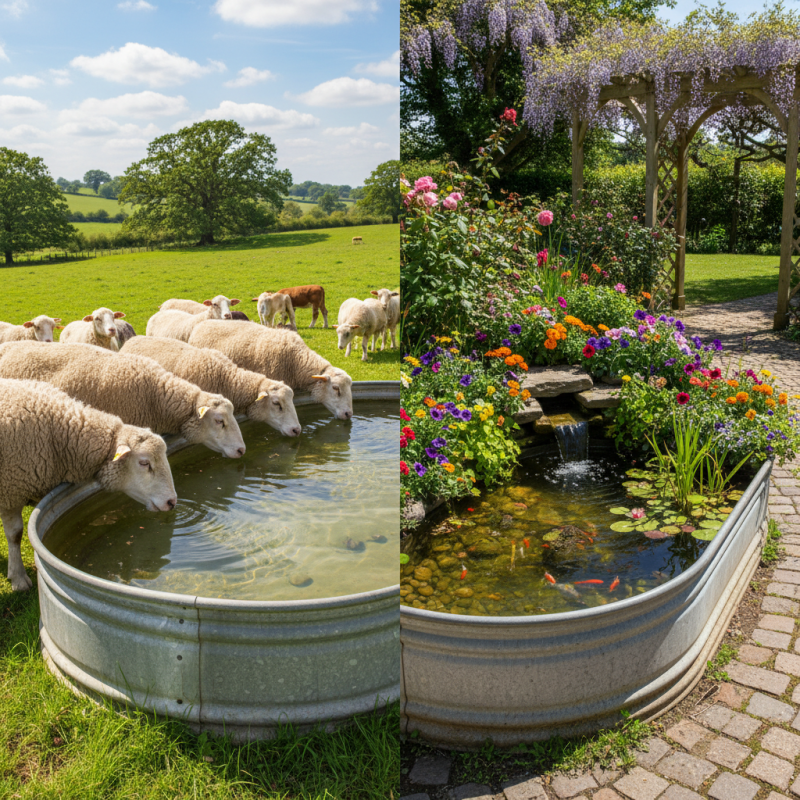
Water troughs are essential tools in various settings. They serve as water supply systems for animals, irrigation, and even landscaping. These structures come in different shapes and sizes, depending on their intended use.
In agriculture, a water trough provides a reliable source of hydration for livestock. Farmers often place troughs in strategic locations to ensure easy access. However, without proper maintenance, these troughs can become breeding grounds for algae and bacteria. This can pose health risks to the animals that rely on them.
In residential settings, water troughs can be turned into decorative features. They can serve as planters or fish ponds, adding charm to gardens. Nonetheless, these conversions often require careful planning and design considerations. A water trough must be both functional and aesthetically pleasing to enhance the overall appearance of the space.
Definition and Function of a Water Trough
A water trough is a long, narrow container designed to hold water for livestock. Its primary function is to provide animals easy access to fresh water. Water troughs come in various materials, such as metal, plastic, or concrete. Their size and shape can vary widely, depending on the number of animals they serve.
In agriculture, water troughs play a crucial role. According to a report from the American Society of Agricultural and Biological Engineers, proper hydration improves livestock growth rates by up to 15%. Farmers often install these troughs in pastures or near feeding areas. This ensures that animals drink enough water without straying too far from their food source.
Tip: Regularly check and clean water troughs. Stagnant water can attract algae and insects, which may harm livestock health.
Water troughs aren’t just for farms. In landscaping, they can be decorative while providing water to animals. Some homeowners use them as garden features, blending functionality with aesthetics. However, improper placement can lead to water waste or flooding, prompting careful consideration of their installation.
Tip: Always place troughs in shaded areas to reduce evaporation. This practice conserves water and keeps it cooler for animals.
Types of Water Troughs and Their Materials
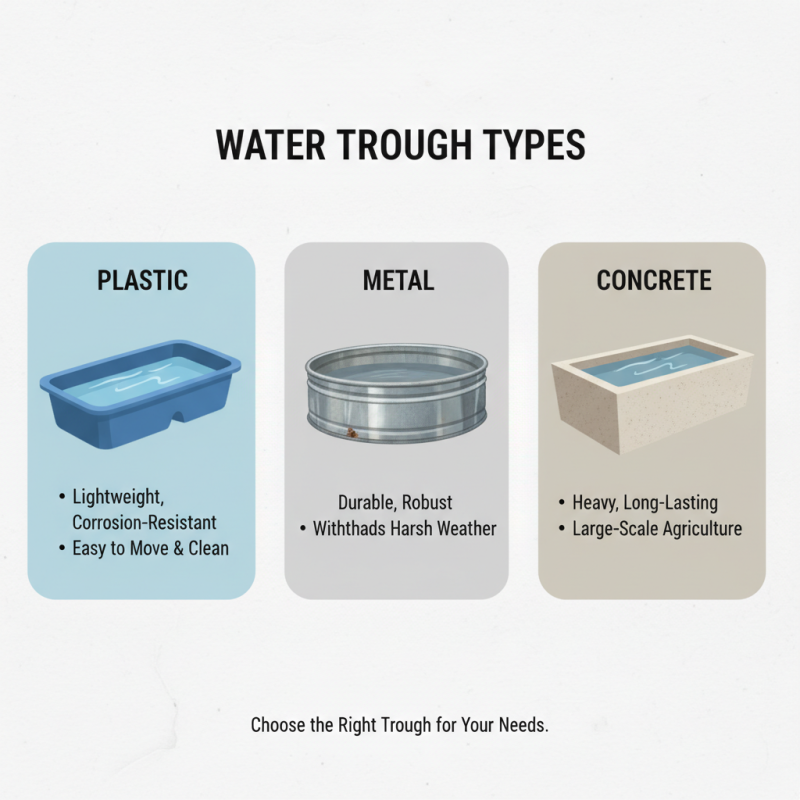
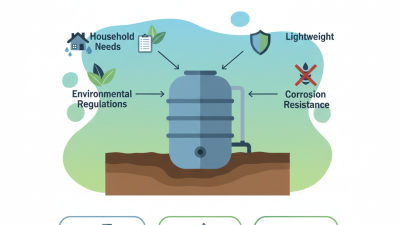
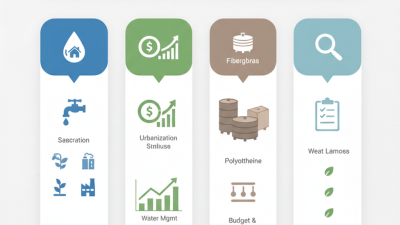
Water troughs come in various types and materials, each serving specific needs. The most common materials include plastic, metal, and concrete. Plastic troughs are lightweight and resistant to corrosion. They are easy to move and clean, making them popular for small farms or gardens. Metal troughs, often made from galvanized steel, are durable and robust. They tend to withstand harsh weather conditions. However, they can rust if not properly maintained. Concrete troughs are heavy and long-lasting. They are often used in large-scale agricultural settings, providing a sturdy option for livestock.
Each material has its advantages and disadvantages. For example, while plastic troughs are convenient, they might not be sturdy enough in windy areas. Care must be taken when transporting metal troughs, as they can be quite heavy. Concrete options require a thoughtful installation due to their weight. Some may overlook these factors and face difficulties later. Understanding the specific application is crucial in selecting the right water trough. Mistakes in selection can lead to wasted resources and inefficiencies. It’s important to think critically about each type’s suitability for the intended use.
Common Applications in Agriculture and Livestock Management
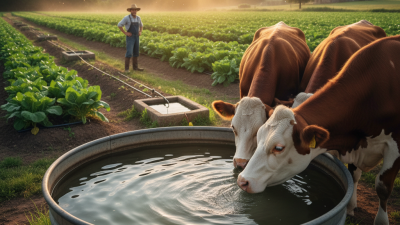
Water troughs play a vital role in agriculture and livestock management. They provide a steady supply of drinking water for farm animals. According to the USDA, livestock drinking water requirements can reach up to 12 gallons per day during hot months. This emphasizes the importance of having sufficient water troughs in grazing areas. Placement matters; a poorly positioned trough can cause animals to waste water and even lead to water contamination.
In addition to practical use, water troughs impact animal health. Access to clean water encourages hydration, which is essential for growth and milk production. However, a recent study found that many troughs are not regularly cleaned, leading to the growth of algae and bacteria. This oversight can cause serious health issues among livestock. Implementing a routine cleaning schedule could greatly enhance animal well-being and productivity.
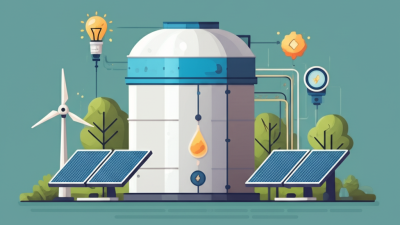
Diverse applications arise in agriculture. For example, water troughs can serve as vital sources during drought conditions. Farmers must consider designs that minimize evaporation and contamination. Innovative solutions, like solar-powered troughs that refill automatically, are gaining attention. Yet, cost and maintenance remain challenging for many farmers. Balancing these factors is key for effective water management in animal husbandry.
Water Trough Applications in Agriculture and Livestock Management
Water Troughs in Landscape and Garden Design
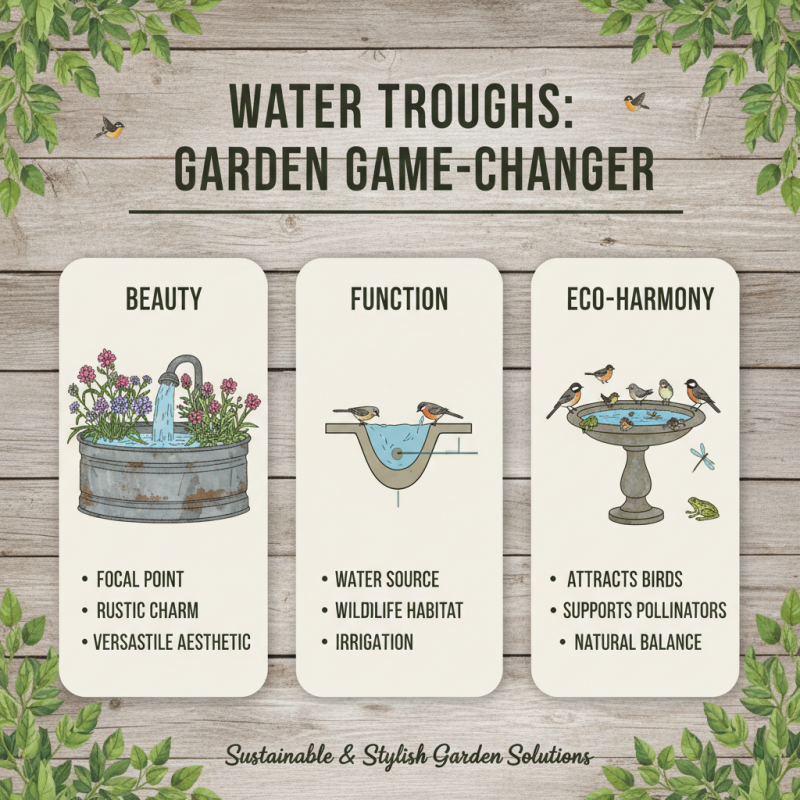
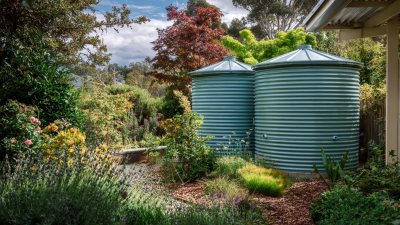
Water troughs can transform landscape and garden design. They offer both beauty and functionality. In many gardens, they serve as focal points. Their rustic appearance adds charm. Often, they are used to hold water, supporting wildlife or irrigation. These features attract birds and other creatures, creating harmony in the space.
Additionally, water troughs can be repurposed for planting. They provide a unique way to create raised beds. Herbs and flowers thrive in these containers. The elevated design allows for easier maintenance. They can be placed in sunny spots or shaded areas, adapting to plant needs. However, choosing the right location is crucial. Not all plants may thrive in a confined space.
Garden aesthetics can benefit from the addition of water troughs. Simple and versatile, they fit various themes, from rustic to modern. Yet, there can be challenges. Maintaining water quality is essential for health. Insects may become pests if neglected. Thoughtful placement and upkeep require careful planning. This can be a learning experience for any gardener.
Maintenance and Care for Water Troughs in Various Settings
Water troughs require regular maintenance to ensure their effectiveness across various settings. Cleaning is crucial. Bacteria can thrive in stagnant water. Regularly empty and scrub the troughs to prevent algae growth. A report showed that over 70% of livestock health issues stem from unsanitary water sources.
Tip: Inspect your troughs weekly, especially during warmer months. Clear any debris that could contaminate the water.
In residential settings, check for leaks or cracks. A small flaw can lead to water waste and structural damage. Research indicates that a single leak can waste over 6,000 gallons of water monthly.
Tip: Seal minor cracks with waterproof sealants. This simple step can extend the life of your trough significantly.
Proper maintenance not only aids in longevity but also enhances usability. Some individuals overlook seasonal changes, which can affect water levels and quality. Be mindful of these shifts, as they can lead to unwanted surprises.
What is a Water Trough and How is it Used in Different Applications? - Maintenance and Care for Water Troughs in Various Settings
| Application |
Material |
Capacity (Liters) |
Maintenance Frequency |
Common Features |
| Agricultural Use |
Metal |
2500 |
Weekly |
Automatic filling valve |
| Residential Use |
Plastic |
1000 |
Monthly |
Algae resistant |
| Livestock Drinking |
Concrete |
3000 |
Every two weeks |
Insulated for temperature control |
| Garden Irrigation |
Stone |
500 |
Seasonally |
Decorative design |
| Mining Operations |
Fiberglass |
4000 |
Bi-weekly |
Heavy-duty construction |