Top 10 IBC Tank Fittings Every Buyer Should Know?
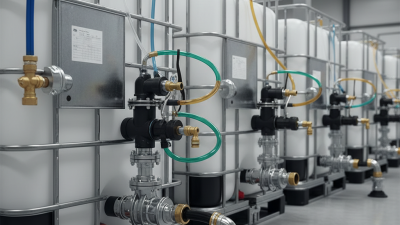
When it comes to the world of IBC tank fittings, understanding the basics can save both time and resources. These fittings are critical components that ensure efficient fluid storage and transfer. However, many buyers overlook important aspects when selecting the right fittings for their needs.
Various types of IBC tank fittings exist, and knowing their differences is essential. Each fitting serves a specific purpose, impacting overall efficiency and safety. For example, some fittings allow for easy drainage, while others facilitate quick connections to hoses. However, not all fittings are created equal. Quality can vary significantly, leading to potential frustrations.
Buyers should prioritize reliable brands and familiarization with fitting specifications. Relying on expert opinions and user experiences can guide smarter purchasing decisions. Consider consulting resources or professionals who can provide insights into the most effective IBC tank fittings for your unique application. Don't underestimate the importance of making informed choices; the right fitting can optimize performance and reduce the risk of leaks or failures.
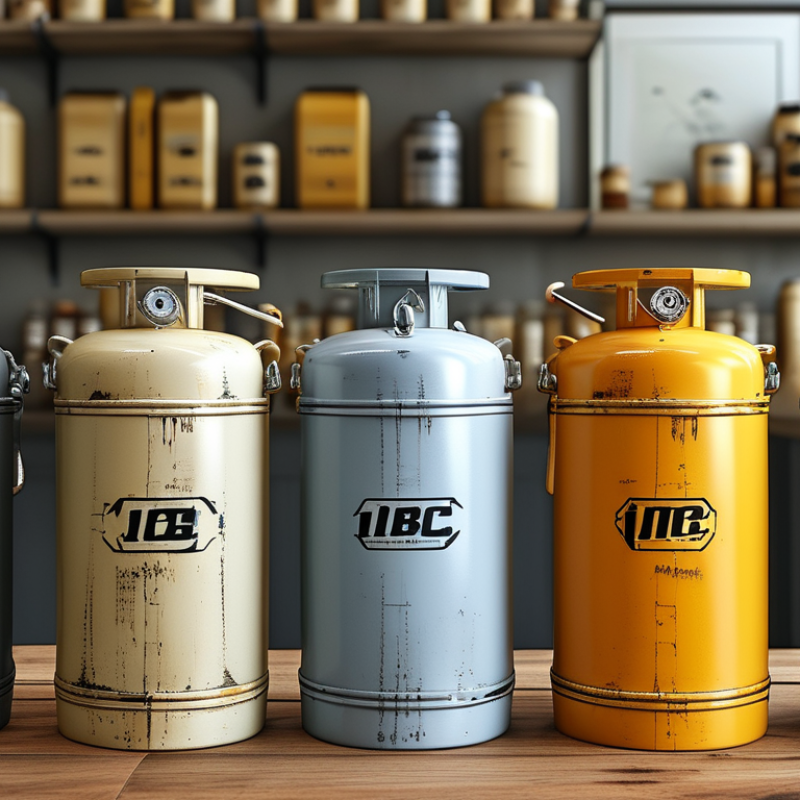
IBC Tank Fittings Overview: Understanding Their Importance
IBC (Intermediate Bulk Container) tank fittings play a crucial role in the safe handling and transportation of various liquids. According to a recent report by the International Council of Chemical Associations, improper fittings account for approximately 15% of spill incidents during transport. Understanding the different types of fittings helps in reducing these risks significantly.
Proper selection of IBC fittings ensures compatibility with numerous fluid types. The wrong fitting can cause leaks or contamination. Up to 80% of industrial users report that using high-quality fittings improves operational efficiency. One fitting, the ball valve, provides precise flow control and reduces waste. However, not all ball valves are created equal, leading to potential issues.
Regular maintenance of IBC fittings is essential. Neglect can result in catastrophic failures. Inadequate inspection can lead to unforeseen costs, as studies show that over 30% of tanks with worn-out fittings go unnoticed. Thus, assessing the condition of fittings regularly is imperative for operational safety and efficiency. Understanding these components is not just an option; it's a necessity for any serious business handling bulk liquids.
Types of IBC Tank Fittings: A Comprehensive Breakdown
When it comes to IBC tank fittings, understanding the different types can significantly impact operational efficiency. Various fittings serve essential purposes, like conveying liquids, aeration, and preventing spills. According to a recent industry report, improper fitting selection can lead to over 30% of liquid losses during transfer processes. This highlights the crucial role that proper fitment plays.
Common types of IBC tank fittings include valves, adapters, and lid seals. Each type has specific functions and compatibility with various liquids. For instance, ball valves offer reliable shut-off capabilities, while camlock fittings allow for fast connections. It is essential to consider the material used in these fittings. Some materials resist chemical corrosion better than others. A review of industry standards indicates that PVC and stainless steel fittings have different lifespans in harsh environments, impacting overall costs.
While choosing fittings, users often overlook key details. The wrong choice can lead to leaks and environmental hazards. An estimated 15% of IBC tanks experience fitting failures due to lack of maintenance or improper installation. Continuous education on fittings is vital for safe operations. Investing time in understanding these components can lead to substantial long-term savings. Adjustments and improvements in fitting choices could yield better performance and reliability.
Key Features to Look for in IBC Tank Fittings
When considering IBC (Intermediate Bulk Container) tank fittings, understanding key features is essential for making informed decisions. The right fittings ensure safety, efficiency, and integrity of the stored materials. Focus on materials such as polypropylene or stainless steel, known for their durability and resistance to chemicals. According to recent industry reports, the global IBC market is expected to grow significantly, highlighting the importance of reliable fittings.
Look for fittings with leakage prevention features. This is crucial to maintain the integrity of the contents. Fittings equipped with multi-seal technology can greatly reduce the risk of leaks. Additionally, verify that fittings meet international standards for safety and performance. These standards help ensure the fittings can withstand environmental factors and heavy usage.
Tips: Always consider the compatibility of the fitting material with your stored substances. For example, certain materials may degrade faster when exposed to specific chemicals. Regular inspection of fittings is also advisable. An overlooked fitting can lead to significant losses and safety hazards. Make a habit of checking for wear and tear to avoid any surprises.
Top 10 IBC Tank Fittings: Key Features Comparison
This bar chart compares the key features rating of the top 10 IBC tank fittings. The rating scale is from 1 to 10, indicating the importance and commonality of each fitting's features in use.
Installation Tips for IBC Tank Fittings: A Step-by-Step Guide
When installing IBC tank fittings, attention to detail is crucial. Begin by ensuring all surfaces are clean and dry. This will help create a secure seal. Use Teflon tape on threaded fittings for added protection against leaks. It’s often overlooked, but this step makes a big difference.
Take your time during installation. Rushing can lead to mistakes. Position the fittings properly and avoid overtightening.
This can cause damage to both the fitting and the tank. Make sure to check for any signs of damage or wear before installation. A small crack can lead to major problems later.
After installation, always conduct a leak test. This essential step can save you from future leaks and ensure safe operation. Regularly inspect the fittings as part of your maintenance routine. Noticing minor issues early can prevent more significant failures down the line. Remember, prevention is key in ensuring your tank systems operate effectively.
Maintenance and Care for IBC Tank Fittings: Best Practices
Maintaining IBC tank fittings requires careful attention. These fittings are vital for proper operation. Regular inspection is crucial. Studies show that 20% of fitting failures occur due to neglect. Operators often overlook wear and tear. This can lead to leaks and contamination.
Cleaning is essential. Residue can build up, affecting performance. Rinsing fittings with water is a good practice. Make sure to check gaskets and seals regularly. Replacing worn-out parts helps prevent malfunction. Industry reports highlight that proactive maintenance can reduce fitting replacement costs by up to 40%.
Document maintenance activities. Keeping detailed records aids in identifying patterns over time. It can reveal potential issues before they become critical. Additionally, training staff on care takes expertise beyond routine checks. Addressing minor issues early on promotes longevity and reliability of the fittings. However, many users fail to implement consistent training programs, which can be detrimental.