China Top 10 Plastic Water Pipe Suppliers?

Choosing the right plastic water pipe supplier in China requires more than comparing factory prices. Product quality, technical support, production capacity, and export reliability all matter. This guide introduces ten suppliers that deserve closer attention from importers, contractors, distributors, and infrastructure buyers.

The selection considers manufacturing experience, material control, pipe dimensions, pressure ratings, testing procedures, and documented certifications. It also examines whether each company can provide useful technical files, samples, customization, and stable delivery schedules. A reliable plastic water pipe supplier should explain resin grades, connection methods, service temperatures, and installation requirements clearly. Factory audits, batch testing, and inspection records can reveal details that product brochures often miss.

No ranking can remain perfect forever. Company capabilities change, public information may be incomplete, and one supplier may suit municipal projects better than residential plumbing. Buyers should verify current certificates, production addresses, references, and warranty terms before placing orders. Small details matter, such as clean pipe surfaces, consistent wall thickness, readable markings, and protected packaging at the loading site.

This overview aims to provide a practical starting point, not a final purchasing decision. It combines publicly available information with common industry evaluation practices. Readers should request recent test reports and compare quotations on equal specifications. A low price may hide weaker inspection controls or limited after-sales support. Careful verification still matters. By reviewing these China-based suppliers through a balanced, evidence-focused approach, buyers can narrow their options and select products that match project standards, operating conditions, and long-term performance expectations.
China Top 10 Plastic Water Pipe Suppliers?

What Defines a Leading Plastic Water Pipe Supplier in China

China Top 10 Plastic Water Pipe Suppliers?

A leading Chinese plastic water pipe supplier is defined by more than production scale. The China Plastics Piping Association reported approximately 16 million tonnes of plastic pipe production in recent industry summaries. Large output helps, but it does not prove consistent quality. Buyers should examine resin certificates, batch records, wall-thickness control, and pressure-test results.

A reliable supplier follows recognized standards, such as ISO 4427 for polyethylene water pipes and relevant Chinese GB/T requirements. Its laboratory should test hydrostatic pressure, impact resistance, dimensional stability, and long-term performance. Factory experience matters here. Engineers should understand extrusion temperature, cooling speed, and joint installation, not only sales quotations. The World Bank has repeatedly highlighted that non-revenue water remains a major infrastructure challenge worldwide. Poor pipe selection can increase leakage, repair costs, and service interruptions. Certification alone is not enough.

Tips: Request a recent factory audit, third-party test report, and sample from normal production. Check whether the report matches the quoted material grade. Ask for batch traceability and installation guidance. A supplier that answers slowly may still produce good pipes, but weak documentation creates avoidable risk. No supplier is perfect. Even experienced buyers should verify actual performance instead of trusting polished brochures. Error happens. Careful review reduces it.

Key Types of Plastic Water Pipes and Their Main Applications

China Top 10 Plastic Water Pipe Suppliers

Plastic water pipes vary in performance, installation method, and service life. Choosing the right type matters more than choosing the lowest quote.

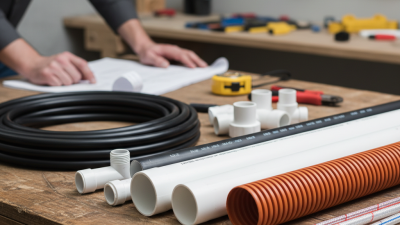
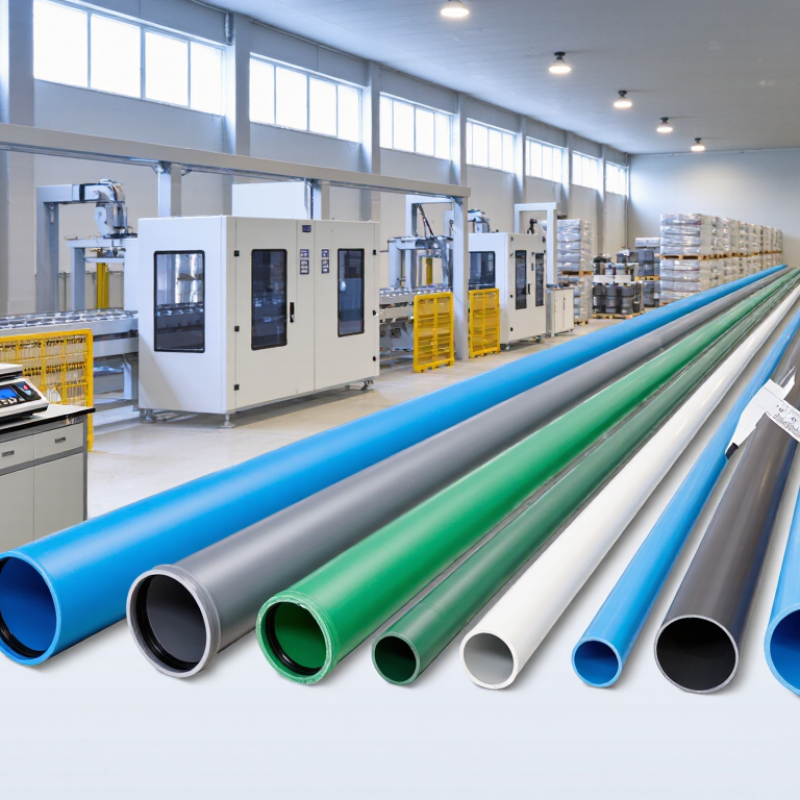
PVC-U pipes are common in cold-water distribution, irrigation, and underground services. They are lightweight, corrosion-resistant, and easy to install with solvent welding. However, they can become brittle under strong sunlight or severe impact.

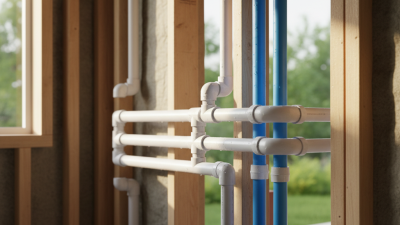
CPVC pipes handle higher temperatures than standard PVC-U. They suit hot and cold domestic water systems, especially where metal corrosion is a concern. PEX pipes are flexible and useful for indoor plumbing, radiant heating, and renovation projects. Their coil form reduces joints behind walls.

PE and HDPE pipes work well for buried water mains, rural supply lines, and irrigation networks. Their flexibility helps absorb ground movement. Butt fusion or electrofusion creates reliable joints, but poor temperature control can weaken the connection. PP-R pipes are widely used for hot and cold water inside buildings. Heat fusion produces smooth internal joints, though installers need proper alignment and heating time.

ABS is more common in drainage than potable water applications. It should not be selected automatically for every water project.

Product approval, pressure ratings, wall thickness, UV resistance, and temperature limits require careful checking. In supplier evaluations, request test reports, dimensional data, traceability records, and installation guidance.

Field experience shows that pipe failures often come from handling or joint mistakes, not the plastic itself. This point deserves more attention. Even strong specifications cannot correct careless storage, excessive bending, or unverified site conditions.

China’s Top 10 Plastic Water Pipe Suppliers

China’s top 10 plastic water pipe suppliers are usually judged by more than production volume. A reliable supplier should provide stable pipe dimensions, clean raw materials, and traceable quality records. During factory evaluations, buyers often inspect extrusion lines, cooling tanks, and laboratory equipment. Small details matter. Uneven wall thickness can create installation problems months later.

The strongest suppliers generally produce PE, PPR, PVC, or multilayer water pipes for residential, agricultural, and municipal projects. Their technical teams should understand pressure ratings, temperature limits, joint methods, and international testing requirements. Certifications are useful, but they should support real inspection data rather than replace it. Ask for batch reports, sample measurements, and aging-test results. Also check how quickly the supplier handles complaints and replacement requests. That reveals practical reliability.

A top-ten list should consider material consistency, delivery performance, customization capacity, export experience, and after-sales communication. Factory visits can confirm whether equipment is modern or merely presented for visitors. I have found that polished samples do not always represent regular production. This is worth remembering. Buyers should compare several samples from different batches and clarify packaging, tooling, payment stages, and inspection responsibility. Prices deserve attention, but the cheapest quotation may hide thinner walls, weaker fittings, or limited technical support. Supplier performance can change over time, so annual reviews remain necessary.

How to Compare Product Quality, Certifications, and Production Capacity

China Top 10 Plastic Water Pipe Suppliers?

Comparing the top ten suppliers requires more than checking catalog prices. Start with product quality and application fit. Ask whether pipes meet relevant standards, such as ISO 4427 for polyethylene water systems or ISO 15874 for polypropylene systems. Confirm the exact standard edition. A certificate alone proves little. Request batch test reports, raw material traceability, pressure ratings, wall-thickness data, and samples from recent production. Inspect surfaces closely; uneven color, rough ends, or oval sections may reveal process problems.

Certifications should match your destination market and intended use. Check the certificate holder, scope, validity date, and testing laboratory. ISO 9001 shows a quality management system, but it does not automatically certify every pipe. Experienced buyers should also review factory audit records and complaint-handling procedures. I have found that suppliers can describe quality confidently, yet struggle to provide consistent documents. That gap deserves attention.

Tips: Compare production capacity through evidence, not impressive figures. Ask for extrusion line numbers, working shifts, monthly output, storage conditions, and recent delivery records. A factory claiming high capacity should explain how it controls resin mixing, cooling, dimensional checks, and pressure testing. Request a live video inspection or an independent audit when possible. Do not judge capacity only by machinery count; idle equipment changes the picture. A smaller facility may offer better control, while a large one may have uneven performance between lines. Leave room for doubt, and verify before signing.

China Top 10 Plastic Water Pipe Suppliers: Comparison Framework

This procurement benchmark compares the three most important supplier-selection dimensions: product quality, certifications, and production capacity. The weighted index is designed for initial screening and does not represent any specific company or brand.

Product quality is weighted at 40% because dimensional accuracy, pressure performance, raw-material control, and testing consistency directly affect service life. Certifications account for 30%, covering applicable standards such as ISO, EN, ASTM, NSF/ANSI 61, and WRAS. Production capacity represents 30% and includes extrusion lines, monthly output, quality-control systems, and delivery reliability.

Factors to Consider When Choosing a Chinese Pipe Supplier

Choosing a Chinese plastic water pipe supplier requires more than comparing factory prices. Request documented experience with potable-water projects, export markets, and similar pipe sizes. Ask how resin batches are identified and stored. A reliable supplier should explain pressure ratings, temperature limits, joint methods, and expected service life clearly. Technical answers matter. So does listening.

Review certificates, test reports, and production records, not just website claims. Confirm that documents match the exact pipe material, diameter, wall thickness, and intended water contact. Independent laboratory testing can reveal weaknesses that a sales sample hides. Inspect extrusion lines if possible, or arrange a qualified third-party audit. Check calibration records for gauges, ovens, and dimensional tools. Small measurement errors can create installation problems later.

Discuss quality control at every stage, including resin checks, dimensional testing, pressure testing, packaging, and shipment inspection. Request traceable batch codes and a written complaint process. Ask for a sample order before signing a large contract. This may expose packaging damage, inconsistent color, slow communication, or unclear responsibilities. A polished factory tour proves little by itself. One inspection is not enough. Compare lead times, payment terms, spare tooling, and after-sales support. Do not ignore local standards, import rules, or project specifications. A cheaper pipe can become expensive when replacement work begins.