What is a Power Transformer and How Does It Work?
In the world of electrical engineering, the Power Transformer plays a crucial role in energy transmission. Experts like Dr. Emily Carter, a noted authority in electrical systems, state, "Power Transformers are the backbone of our electrical grid." Her words underscore the essential function these transformers serve.
Power Transformers facilitate the conversion of voltage levels, ensuring efficient power distribution. Their design and functionality can seem complex. Yet, at their core, they are vital to delivering electricity safely and effectively. They operate under high voltage and heavy loads, which necessitates precision engineering and robust materials.
However, this sector faces challenges. Aging infrastructure and advancements in green energy solutions call for innovation. Balancing technology and sustainability remains essential. As we explore the Power Transformer, we delve into its working mechanisms, applications, and the future of this indispensable device.
What is a Power Transformer?
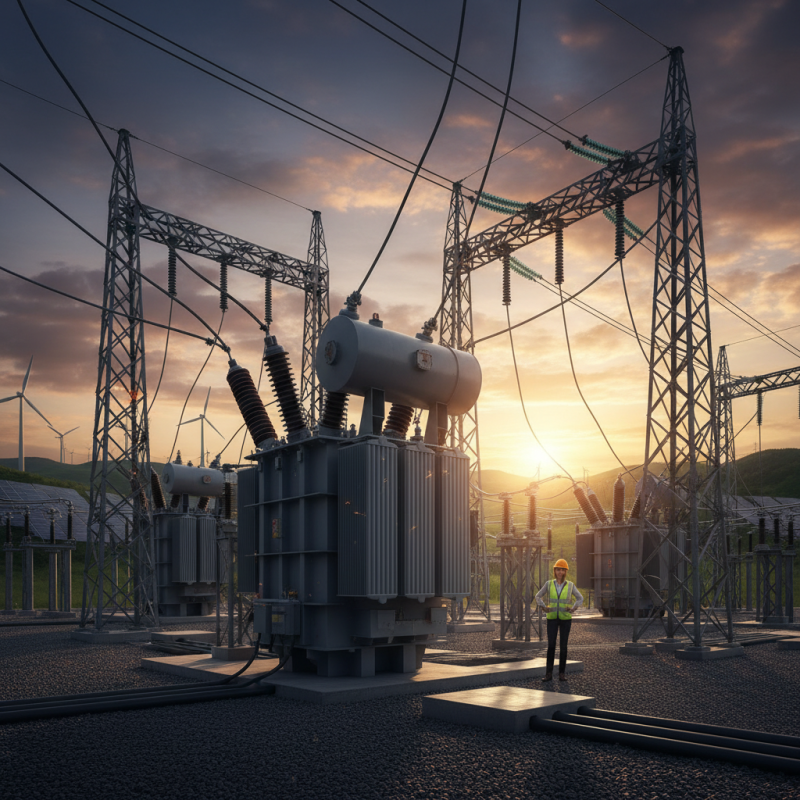
A power transformer is a crucial device in the electrical grid. Its main function is to transfer electrical energy between different voltage levels. Typically, they are found in power plants and substations. These transformers ensure that electricity remains stable and efficient as it travels long distances.
Constructed with copper or aluminum windings, power transformers come in various sizes. Inside, magnetic cores help facilitate energy transfer. However, not all power transformers operate flawlessly. Issues like overheating or insulation failure can lead to inefficiencies. It's essential for operators to conduct regular maintenance checks. This habit can prevent unexpected outages and ensure optimal performance.
Managing a power transformer requires expertise. Understanding the electrical principles and environmental factors is vital. Engineers must anticipate potential failures. They must think critically about what might go wrong and how to fix it. This ongoing reflection is key to maintaining a reliable power supply.
The Basic Components of a Power Transformer
Power transformers play a critical role in the electrical grid, ensuring efficient power distribution. Their design involves several key components that work together seamlessly. The primary components include the core, windings, tap changer, and insulation systems. Each element is vital for the transformer's operation.
The core, typically made of silicon steel, provides a path for the magnetic flux. This allows for effective magnetic coupling between the primary and secondary windings. According to a recent industry report by the International Energy Agency, transformers account for approximately 60% of energy losses in the electrical system. Thus, optimizing core design is essential for efficiency.
Windings are another fundamental part. They consist of copper or aluminum wire arranged in coils around the core. Proper insulation separates the windings from each other and from the core. Insulation materials must withstand high voltages and thermal stress. A 2022 study highlighted that approximately 30% of transformer failures are attributed to insulation breakdown. Monitoring insulation health is critical for reliability. Understanding these components helps optimize the performance and longevity of power transformers.
How Power Transformers Work: The Principles of Electromagnetism
Power transformers are vital in electrical engineering. They use the principles of electromagnetism to transfer energy between circuits. This device modifies voltage levels in power systems, enabling electricity to travel long distances efficiently.
At their core, power transformers consist of two coils of wire, known as windings. These coils are wrapped around a magnetic core. When an alternating current flows through the primary winding, it creates a changing magnetic field. This field induces an electrical current in the secondary winding. The voltage increase or decrease depends on the number of turns in each winding.
The efficiency of a transformer relies on its design and materials. Poor construction can lead to energy losses, impacting overall system performance. Factors like temperature and frequency may also affect functionality. Understanding these nuances is crucial for engineers. It helps in optimizing transformer performance in various applications.
Different Types of Power Transformers and Their Applications
Power transformers are crucial for efficient electricity distribution. They come in different types, each designed for specific applications. The most common types include step-up transformers, step-down transformers, and isolation transformers.
Step-up transformers increase voltage for long-distance transmission. They help reduce energy loss over miles of power lines. In contrast, step-down transformers lower voltage for safe use in homes and businesses. Isolation transformers provide safety by separating circuits, reducing the risk of electric shock.
Tips: Ensure to choose the right transformer type for your needs. Mismatched transformers can lead to inefficiency. Regular maintenance is essential for optimal operation. Check connections and performance periodically to avoid unexpected failures. Always consult professionals when handling high voltage equipment. Making small adjustments can result in significant improvements.
What is a Power Transformer and How Does It Work? - Different Types of Power Transformers and Their Applications
| Type of Power Transformer | Voltage Rating (kV) | Applications | Key Benefits |
| Step-Up Transformer | 10 - 400 kV | Power generation plants, renewable energy systems | Increases voltage, reduces current losses |
| Step-Down Transformer | 10 - 400 kV | Distribution networks, commercial buildings | Reduces voltage, ensures safe power delivery |
| Isolation Transformer | 1 - 35 kV | Medical equipment, industrial machinery | Electrical isolation, safety enhancements |
| Auto Transformer | 1 - 220 kV | Electric locomotives, wind turbines | Compact size, cost-effective |
| Three-Phase Transformer | 3 - 500 kV | Heavy industries, large power systems | Efficient power handling, balanced loads |
Safety and Maintenance Considerations for Power Transformers
When it comes to power transformers, safety and maintenance are crucial. Regular inspections can prevent issues before they arise. A detailed assessment of insulation can reveal potential weaknesses. Operators should look for signs of wear or damage. Keeping the environment clean around transformers helps reduce external risks.
Thermal management is essential. Overheating can lead to failures or worse. Monitoring temperature levels regularly can help detect problems. Additionally, airflow around transformers should be unobstructed. This simple step can ensure optimal performance and safety.
Proper training for personnel is necessary. Staff must understand operational risks and maintenance protocols. Routine training sessions can enhance awareness and preparedness. Documenting every maintenance activity creates a reliable history. This information is vital for identifying recurring issues. Regular reflection on safety practices can lead to improvements over time.