What is a Cnc Press Brake Machine and How Does It Work?
The Cnc Press Brake Machine is a vital tool in metalworking. Experts highlight its significance in precise sheet metal bending. John Smith, a leading engineer in the field, once stated, "A Cnc Press Brake Machine can transform ideas into reality with precision."
These machines utilize advanced technology to achieve accuracy. They control the bending process through computer programming. This allows for complex shapes and designs to be realized effortlessly. The precision achieved is impressive. However, not all operators grasp its full potential. Understanding the machine's features is essential for successful operation.
Mistakes can occur if users neglect the settings. Operators must pay attention to the thickness, material type, and bend angle. Even minor oversights can lead to significant errors. It’s crucial to reflect on these aspects to enhance performance. In this industry, continuous learning is fundamental. Mastery of the Cnc Press Brake Machine can lead to greater efficiency and innovation in metal fabrication.
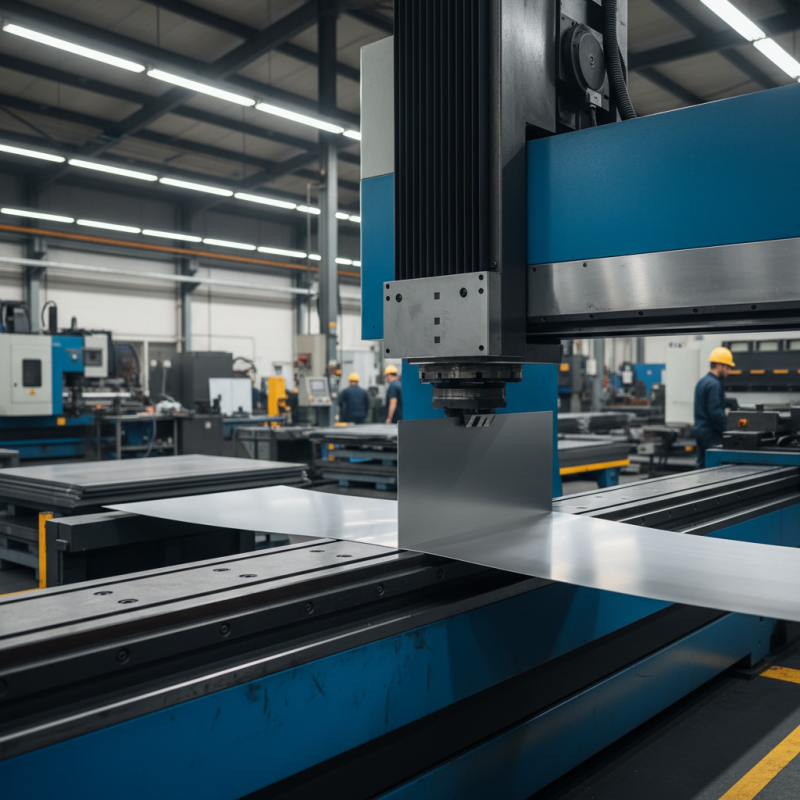
Understanding CNC Press Brake Machines: An Overview
CNC press brake machines play a crucial role in modern manufacturing. These machines are used to bend metal sheets with high precision. They combine advanced technology and user-friendly interfaces to create accurate bends in various materials, such as steel and aluminum. According to a recent industry report, the global market for CNC press brakes is expected to grow at a CAGR of around 5% between 2023 and 2028. This growth highlights the increasing demand within manufacturing industries.
Understanding how a CNC press brake works can simplify complex tasks. Operators input specifications via computer software to dictate bend angles and lengths. This automation allows for consistent quality and reduced human error. The machines themselves utilize hydraulic or electric systems to apply force, ensuring efficient and reliable performance. However, despite technological advancements, inefficiencies can still arise due to improper programming or maintenance issues, leading to production delays.
The versatility of CNC press brakes is noteworthy. They can handle various jobs, from small prototypes to large-scale productions. Yet, challenges persist, particularly in adapting to new materials and changing designs. Operators must remain vigilant and continuously update their skills. The interplay between technology and human expertise is essential. As industry standards evolve, so too must the knowledge and tools of those who operate these machines.
Key Components of a CNC Press Brake Machine
A CNC press brake machine is essential in metal fabrication. It bends sheet metal into desired shapes with precision. Key components work together to ensure efficiency. The control system allows operators to input specifications for various bends. This is crucial for achieving consistent results.
The hydraulic system is another vital component. It provides the force needed to bend heavy materials. Typically, a CNC press brake can exert between 30 to 400 tons of force. This enables the bending of thick plates, often up to 10 mm or more. The tooling plays a significant role, too. The correct die and punch configuration dictate the quality of the bend, affecting the project’s outcome.
Furthermore, safety features are paramount. Emergency stops and sensors prevent operator injuries. However, there are challenges. Calibration issues may lead to inaccuracies. Regular maintenance is necessary to ensure optimal performance. According to industry reports, about 25% of machinery downtime stems from unaddressed maintenance. This highlights the need for vigilance in operation and upkeep. Understanding these components enhances efficiency and product quality in metal forming.
The Working Principle of CNC Press Brake Operations
A CNC press brake machine is a pivotal tool in metal fabrication. Understanding its working principle helps operators optimize their use. At its core, a CNC press brake uses precision control to bend metal sheets into desired angles. The machine leverages hydraulic or mechanical force to exert pressure on the metal. This creates bends defined by the tooling installed.
Upon activation, the CNC controls move the ram downward. Operators must program the desired angle and length carefully. The synchronization of the components is crucial. Even small errors in alignment can lead to significant issues. Operators should be vigilant about the machine's calibration. Regular maintenance ensures accuracy.
Tips: Always check the tooling and setup before starting production. A simple mistake can lead to waste. When bending thicker materials, take your time to avoid defects. Practice with scrap pieces to achieve the best results. Remember, every bend is a chance to improve your technique.
What is a Cnc Press Brake Machine and How Does It Work? - The Working Principle of CNC Press Brake Operations
| Feature | Description |
| Type | CNC Electric Press Brake |
| Bending Capacity | Up to 200 tons |
| Maximum Bend Length | Up to 4000 mm |
| Material Thickness | 1.0 - 20.0 mm |
| Control System | CNC (Computer Numerical Control) |
| Applications | Sheet metal fabrication, automotive, aerospace |
| Key Features | High precision, flexibility, digital interface |
| Working Principle | Utilizes hydraulic or electric motors to control the bending operation via CNC programming |
| Safety Features | Emergency stop, safety guards, sensors |
Advantages of Using CNC Press Brake Technology
CNC press brake technology offers significant advantages in the manufacturing sector. One key benefit is precision. These machines use computer controls to ensure accurate bends with minimal deviation. This precision reduces the need for manual adjustments, leading to faster production cycles.
Flexibility is another important aspect. CNC systems can handle various materials and thicknesses. Operators can quickly reprogram for different projects, allowing for efficient customization. This adaptability is crucial in today’s fast-paced market.
However, there are challenges. Operators must be trained to use advanced software. Mistakes in programming can lead to errors. Moreover, maintenance can be complex, requiring skilled technicians. Balancing precision and flexibility with these challenges is essential for optimizing performance.
Common Applications of CNC Press Brake Machines
CNC press brake machines are essential in modern manufacturing. They shape metal sheets into desired forms with high precision. These machines are commonly used in various industries, including automotive, construction, and aerospace. They can create bends, folds, and complex shapes required for components.
In the automotive sector, CNC press brakes help produce car parts. They shape metal for frames, bodywork, and brackets. This process is vital for functionality and safety. Precision in bending ensures parts fit perfectly during assembly. In construction, these machines also create metal fixtures like beams and supports. Their ability to handle thick materials makes them indispensable.
Tips: Regular maintenance is crucial for CNC press brakes. It ensures precision and extends the machine's life. Operators should be trained to maximize efficiency. Pay attention to the tooling setup; incorrect tools can lead to errors. Always double-check measurements before bending. Small mistakes can lead to significant rework, wasting time and materials.