

How to Choose the Right Poly Tank in 2026?
Choosing the right poly tank in 2026 requires more than comparing prices and capacities. A tank may look suitable online, yet fail when exposed to sunlight, freezing temperatures, chemicals, or uneven ground. The correct choice begins with the stored liquid, installation site, expected service life, and local operating conditions. Water storage, agricultural chemicals, wastewater, and industrial fluids each demand different polyethylene specifications.
Rotational-molding expert Dr. James L. Throne offered a practical design principle: “Design the tank for its service, not merely for its shape.” That idea remains valuable when selecting a poly tank today. Buyers should examine resin quality, wall thickness, UV stabilization, fittings, venting, access openings, and manufacturer testing. A 5,000-gallon tank is not automatically better than a smaller model. It may need stronger foundations, additional transport planning, and more careful installation.
Look closely at the details.
Experience also shows that product descriptions can hide important limitations. A tank rated for water may not be suitable for fertilizer or aggressive chemicals. A dark tank can reduce light penetration, but it may absorb more heat. A large fitting can improve drainage, yet increase replacement costs. These trade-offs deserve honest attention.
This guide explains how to compare tank materials, capacities, shapes, fittings, warranties, and installation requirements in 2026. It also considers newer manufacturing expectations, sustainability claims, and long-term maintenance. Some recommendations will remain uncertain because site conditions differ. That uncertainty is not a weakness. It is a reason to verify specifications with the manufacturer and a qualified tank professional before purchase.
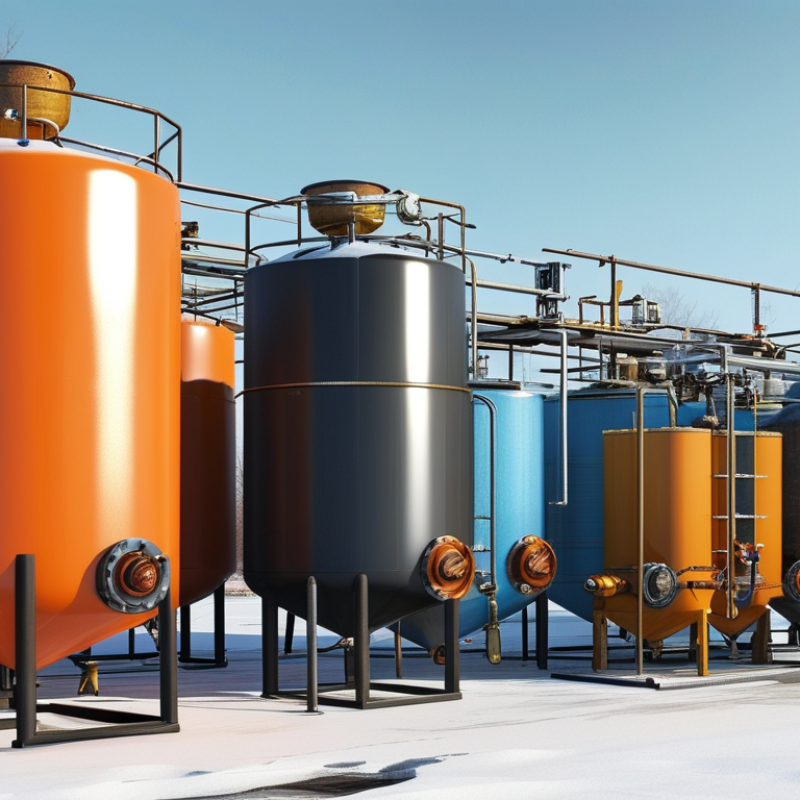
Define Your Poly Tank’s Purpose, Capacity, and Installation Environment
How to Choose the Right Poly Tank in 2026?
Define Your Poly Tank’s Purpose, Capacity, and Installation Environment
Choosing a poly tank starts with the liquid it will hold. Water, fertilizer, wastewater, and cleaning solutions can require different materials and fittings. Check chemical compatibility with the tank supplier’s technical data. Do not rely on appearance alone. A clear liquid may still damage an unsuitable tank over time.
Estimate daily use, refill frequency, and future demand before selecting capacity. A household may need a compact tank, while irrigation requires greater working volume. Leave practical space for expansion and safe access. An oversized tank can waste money and floor area. An undersized tank creates frequent deliveries. My first estimates are often optimistic, especially during dry months.
Installation conditions matter just as much. Measure doorways, turning space, pipe routes, and the finished foundation. Poly tanks need firm, level support without sharp stones or uneven pressure points. Outdoor tanks may require UV protection, anchoring, and room for thermal movement. Indoor sites need ventilation and spill planning. Check local installation requirements. Keep inspection access clear.
Do not forget temperature. Heat can affect tank shape, liquid behavior, and fitting performance. Cold conditions may make some plastics less impact-resistant. A tank placed beside a dark metal wall can experience surprising heat. I once treated location as a minor detail. It was not. Verify the base, connections, overflow path, and maintenance access before ordering.
How to Choose the Right Poly Tank in 2026?
Define your poly tank’s purpose, capacity, and installation environment before selecting the tank shape, material specification, fittings, and accessories.
| Tank Purpose | Typical Capacity Range | Recommended Tank Configuration | Suitable Installation Environment | Key Selection Criteria | Important Installation Considerations |
|---|---|---|---|---|---|
| Rainwater Harvesting | 500–5,000 gallons (1,900–18,900 liters) |
Vertical storage tank or low-profile tank with a screened inlet and overflow connection | Outdoor residential, agricultural, or light-commercial areas | Roof catchment area, expected rainfall, seasonal demand, opaque or UV-stabilized construction, and access for cleaning | Install on a level, compacted base; include overflow routing, mosquito protection, and appropriate pipe supports |
| Potable Water Storage | 300–10,000 gallons (1,135–37,850 liters) |
Food-contact-rated polyethylene tank with sanitary fittings and a secure, vented access opening | Clean, shaded outdoor or indoor location protected from contamination | Local drinking-water approval, tank material certification, required reserve volume, inlet and outlet size, and cleanability | Confirm local regulations and certification requirements; keep the tank closed, vented, and away from chemicals or fuel |
| Agricultural Irrigation | 1,000–20,000 gallons (3,785–75,700 liters) |
Large vertical tank or multiple linked tanks with a screened inlet, drain, overflow, and pump connection | Farmyards, greenhouses, orchards, and irrigation service areas | Daily irrigation demand, pump flow rate, refill frequency, liquid temperature, and available footprint | Provide a stable foundation, protect pipework from impact, and verify that the pump does not exceed the tank outlet’s flow requirements |
| Fertilizer or Agricultural Chemical Storage | 100–10,000 gallons (380–37,850 liters) |
Chemical-compatible polyethylene tank with suitable gaskets, valves, and secondary containment | Covered, ventilated, controlled-access chemical storage area | Chemical compatibility, specific gravity, operating temperature, concentration, fitting material, and applicable safety regulations | Check a chemical-compatibility chart before purchase; use spill containment and never mix incompatible chemicals in the tank |
| Fire Protection Reserve | 2,500–30,000 gallons (9,460–113,550 liters) |
Large-capacity tank engineered for the required fire-water system, with dedicated outlet and inspection access | Commercial, industrial, agricultural, or remote properties | Required reserve volume, fire-system design, refill time, outlet flow, emergency access, and local fire authority requirements | The tank and foundation must follow the applicable fire-protection design and local approval requirements |
| Wastewater or Septic Holding | 500–10,000 gallons (1,900–37,850 liters) |
Tank specifically designed for wastewater service, with sealed connections, inspection access, and suitable venting | Underground or above-ground installations, subject to local approval | Waste composition, burial depth, groundwater conditions, buoyancy risk, access for pumping, and structural design | Do not use a standard above-ground tank for burial; follow the manufacturer’s burial instructions and local wastewater regulations |
| Industrial Process Water | 500–20,000 gallons (1,900–75,700 liters) |
Vertical polyethylene process tank with correctly sized fittings, level indication, and optional mixing equipment | Indoor plant rooms or protected outdoor process areas | Liquid chemistry, specific gravity, temperature, agitation, duty cycle, cleaning method, and required instrumentation | Keep the tank away from excessive heat and provide independent support for valves, pumps, and connected pipework |
| Aquaculture or Livestock Watering | 250–5,000 gallons (945–18,900 liters) |
Opaque, UV-stabilized tank with smooth internal surfaces, screened ventilation, and easy-drain fittings | Shaded farm, hatchery, stable, or controlled outdoor environment | Animal or aquatic volume demand, water temperature, cleaning frequency, light exposure, and access to fresh water | Prevent algae growth and contamination; use only materials and coatings suitable for the intended water contact |
| Temporary or Mobile Water Storage | 50–5,000 gallons (190–18,900 liters) |
Low-profile or transportable tank with reinforced lifting points and secure, flexible connections | Construction sites, events, emergency response, and temporary service locations | Transport restrictions, filled weight, tie-down method, loading access, duration of use, and required discharge rate | A full tank is extremely heavy; calculate the filled weight and secure the tank before moving or operating it |
Selection note: Polyethylene tank capacity is commonly stated in US gallons or liters. Final sizing should account for usable volume, freeboard, expansion, refill reliability, and any reserve required by local regulations. Always confirm liquid compatibility, tank dimensions, foundation requirements, fittings, and installation instructions before ordering.
Related Posts
-
10 Best Liquid Storage Tank Options for Global Buyers?
-
Exploring the Advantages of Liquid Storage Tanks for Sustainable Energy Solutions
-
Best Farm Water Tank Solutions for Global Buyers?
-
Essential Tips for Choosing the Best Plastic Water Tanks?
-
Top 10 Benefits of Using Plastic Water Troughs for Livestock?
-
What is a Big Water Tank? Benefits, Types, and Maintenance Guide