How to Choose the Right Plastic Water Pipe for Your Needs?
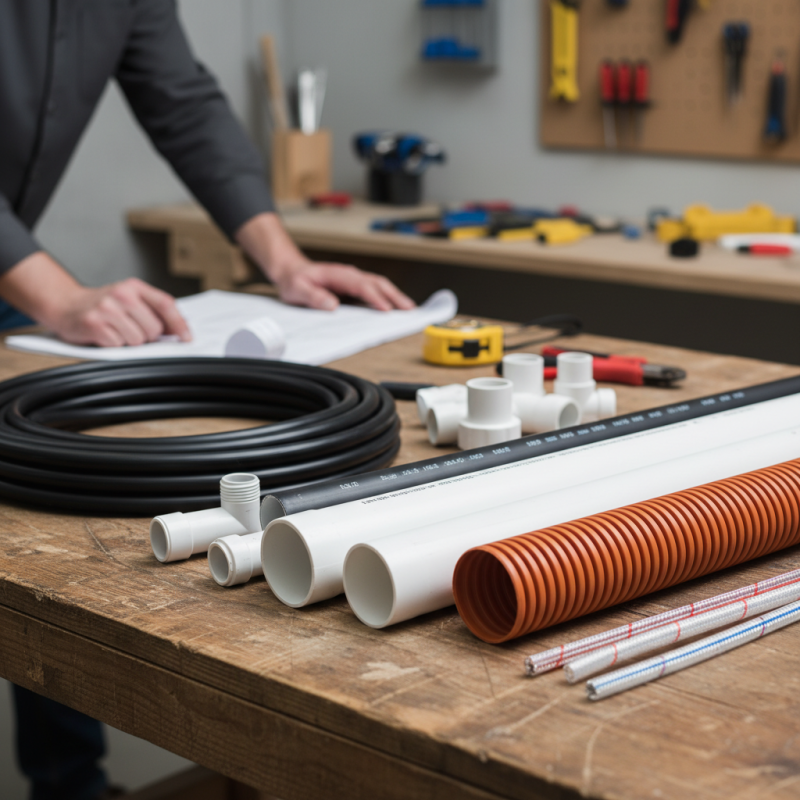
Choosing the right plastic water pipe can significantly impact your project. Plastic water pipes come in various sizes and materials. Understanding your needs is crucial before selecting one.
Consider the purpose of your pipe. Are you using it for irrigation, plumbing, or drainage? Different applications may require different specifications. The material of the plastic is also essential. Some pipes can withstand higher pressures. Others are more flexible and easier to work with.
Many people overlook the installation process. A pipe that is easy to install saves time and effort. There can be a learning curve, leading to mistakes. Be informed about your options. Research and reflect on what best fits your requirements, and avoid hasty decisions. Making the right choice can save costs and headaches later on.
Understanding Different Types of Plastic Water Pipes Available
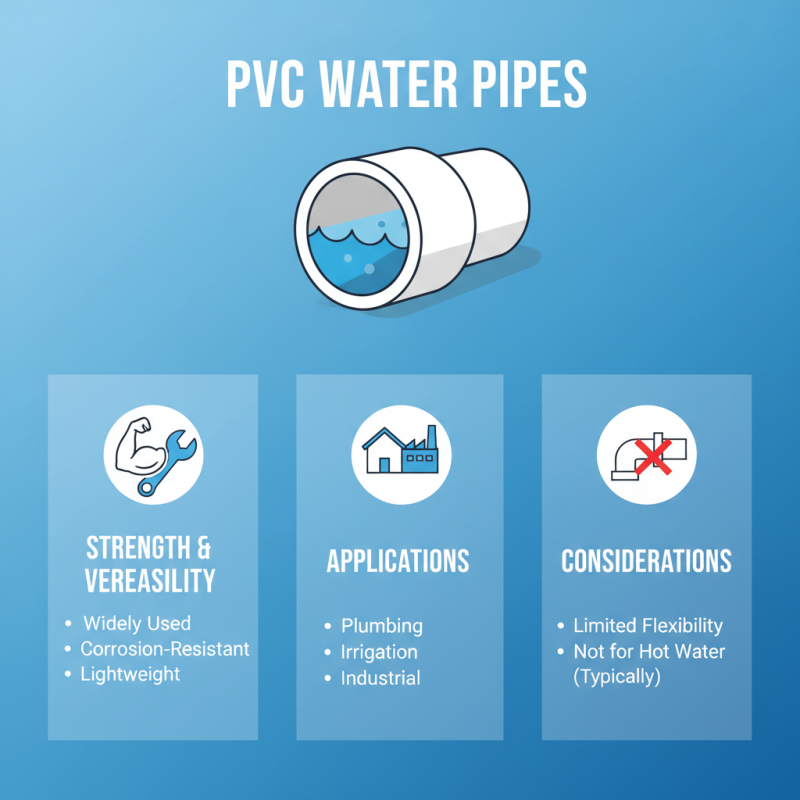
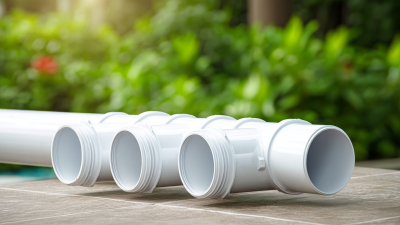
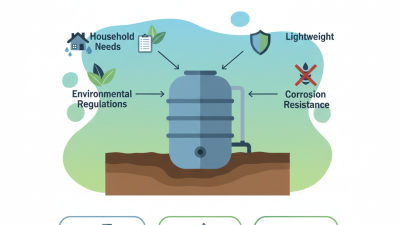
When choosing the right plastic water pipe, it’s essential to understand the various types available. PVC pipes are widely used for their strength and versatility. They are lightweight and resistant to corrosion, making them suitable for different applications. A downside is their limited flexibility, which might not suit every project.
Another common option is PEX tubing. It is highly flexible and can expand, making it good for residential plumbing. PEX is also resistant to scale and chlorine but can degrade when exposed to sunlight. This limitation should be considered during installation. CPVC is another type that can handle higher temperatures, ideal for hot water systems. However, it is more rigid than PEX, which can complicate installation in tight spaces.
With many choices, consider the specific needs of your project. Think about the environment where the pipes will be used. Installation matters too. Gathering information can help prevent errors. Each pipe type has its strengths and weaknesses, which should not be overlooked.
Evaluating Your Specific Water Supply Requirements and Conditions
Choosing the right plastic water pipe hinges on understanding your specific water supply requirements. Different pipes serve varying functions. Consider the flow rate, pressure levels, and temperature of your water supply. These factors affect pipe selection significantly. If you're working with hot water, not all plastics are suitable.
Tips: Always check the pipe's temperature rating. A mismatch can lead to failures. Also, assess the local climate. In colder regions, certain materials might become brittle.
The size of the pipe is another crucial consideration. A pipe that's too small can restrict flow, while one that's overly large can result in wasted resources. Ensure the diameter fits your needs. Think about future use as well. Will your water demand increase? Adjust your choice accordingly.
Tips: Measure your current water demand accurately. Overestimating can lead to unnecessary expenses. Remember that installation requires skill. Hiring a professional might be worth the investment, especially if you're in doubt.
Water Pipe Material Comparison for Different Applications
This chart compares different types of plastic water pipes based on their cost and temperature resistance. PVC is the least expensive but has a lower temperature resistance, while other materials like CPVC and PP offer better thermal performance at increased costs.
Comparing Durability, Flexibility, and Cost of Various Plastic Pipes
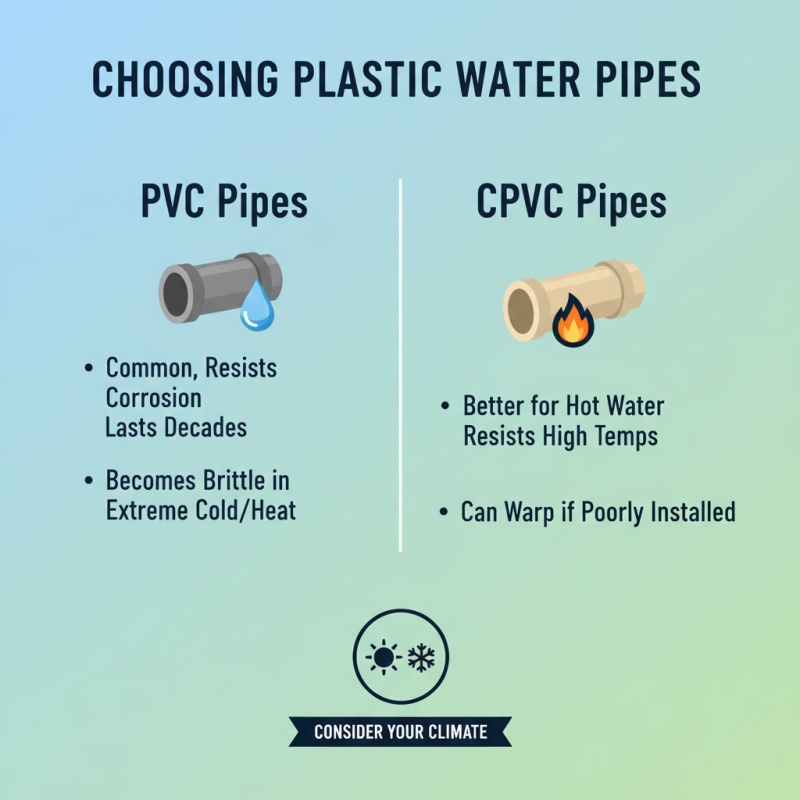
When selecting a plastic water pipe, it's essential to assess durability. PVC pipes are common for a reason. They resist corrosion and can last for decades. However, they may become brittle in extreme temperatures. In contrast, CPVC pipes handle hot water better. But they can warp over time if not installed correctly. Consider your climate; some materials thrive while others falter.
Flexibility is another critical factor. PEX pipes, for example, bend easily to fit complex layouts. This reduces the need for joints, which can leak. If your project requires sharp turns or tight spaces, PEX could be a solid choice. However, this flexibility can make PEX less suitable for outdoor use. It degrades quicker under UV light. Balancing this with your installation environment is vital.
Then, there's cost. Generally, PVC is cheaper up front, but installation costs can add up. PEX may have a higher initial price, yet it can save on labor. This choice depends on your budget and how long you want the pipes to last. Each option has pros and cons. Weigh your needs carefully before making a decision.
Identifying Suitable Connection and Fitting Options for Installation
When selecting the right plastic water pipe, connection and fitting options are crucial. A report by the Plastics Industry Association indicates that improper fittings can lead to significant leaks. These leaks not only waste water but can cause structural damage and increase maintenance costs.
The type of connection chosen can make or break your installation. For instance, threaded fittings provide a secure option but may require Teflon tape for a tight seal. In contrast, solvent-weld connections offer a strong bond but demand precise alignment during installation. A study found that over 30% of installation failures stem from poor fitting choices.
Consideration of material compatibility is also essential. Not all plastic pipes work well with each type of fitting. For instance, PVC fittings might not be suitable for CPVC pipes. This mismatch can lead to unforeseen issues over time. Being aware of the specifics in fitting options and making informed decisions can help avoid common pitfalls in water pipe installations.
Considering Environmental Impact and Regulatory Standards for Use
Choosing the right plastic water pipe involves more than just functionality. The environmental impact of materials cannot be ignored. Certain plastics can take hundreds of years to decompose. When selecting a pipe, consider using recycled or eco-friendly options. These can significantly reduce your carbon footprint.
Regulatory standards play a crucial role. In many regions, different types of plastic have specific regulations. It's essential to ensure that your choice meets local compliance. Ignoring these regulations could lead to future issues. Research is necessary to understand what materials are allowed.
Take time to reflect on the long-term consequences of your choice. A cheaper option may seem tempting, but what about durability? Short-lived materials can lead to more waste. Investing in quality, sustainable pipes can pay off in the long run. Make informed decisions that align with environmental consciousness.