Top Tips for Choosing the Right Electrical Outlet for Your Needs
Choosing the right Electrical Outlet is crucial for safety and efficiency. According to renowned electrical expert John Smith, “Selecting the appropriate electrical outlet can save you from potential hazards.” This insight highlights the importance of informed decisions in the electrical outlet industry.
Understanding your specific needs is essential. Different devices require different outlets. For instance, high-powered appliances need outlets that can handle more voltage. Many people overlook this detail. This oversight can lead to damage or, worse, safety issues.
It’s vital to consider factors like location and usage. Not all outlets are created equal. Some are designed for heavy-duty use, while others are not. Buyers must be cautious and do their research. The right electrical outlet ensures your devices run safely and efficiently. Therefore, getting it right is worth the time and effort.
Understanding Different Types of Electrical Outlets and Their Uses
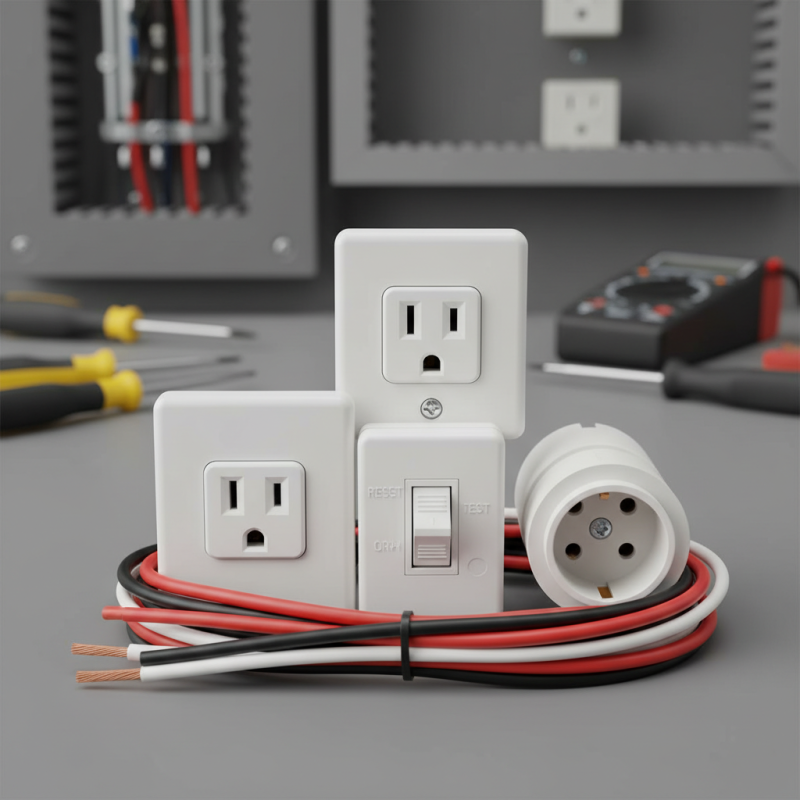
When selecting the right electrical outlet, it’s essential to understand the various types and their functions. Standard outlets, the most common type, are utilized in living spaces for everyday electronics. These outlets typically supply 120 volts and are suitable for devices such as lamps and televisions. However, in kitchens, you might need more specialized outlets.
GFCI outlets are crucial in areas exposed to moisture. These outlets protect against electrical shock by interrupting the circuit if a fault is detected. They are a must-have in kitchens and bathrooms. Another option is the USB outlet, which provides convenient charging for mobile devices without the need for an adapter.
Choosing the right outlet is not always straightforward. One might overlook the importance of amperage ratings. Using an outlet rated for lower amperage can lead to overheating and potential fire risks. Additionally, compatibility with existing home wiring should be considered. Ensure the outlet fits your home’s electrical system to avoid unexpected issues.
Top Tips for Choosing the Right Electrical Outlet for Your Needs
| Outlet Type | Description | Common Uses | Voltage Rating |
| Standard Outlet | A basic outlet, suitable for connecting most smaller appliances and devices. | Lamps, chargers, computers. | 120V |
| GFCI Outlet | Ground Fault Circuit Interrupter that protects against electrical shock. | Bathrooms, kitchens, outdoor areas. | 120V |
| USB Outlet | Includes built-in USB ports for direct device charging. | Smartphones, tablets, other USB devices. | 5V (USB), 120V (outlet) |
| Smart Outlet | Wifi-enabled outlet that can be controlled remotely. | Smart home devices, lighting. | 120V |
| Heavy-Duty Outlet | Designed for high-demand devices, capable of handling larger currents. | Power tools, appliances like dryers. | 240V |
Assessing Your Power Needs for Home and Office Environments
When assessing your power needs for home and office environments, consider the types of devices you will use. If you have a home office with multiple computers, printers, and other electronics, you need outlets that can handle high wattage. An assessment of your power requirements will help ensure you don't overload any circuit. Pen and paper can be helpful here for jotting down these essentials.
Take note of the locations in which you plan to install these outlets. Rooms with heavy usage, like kitchens or living rooms, may require more outlets. Think about where devices are used most often. It’s easy to overlook, but having enough outlets near your workspace can prevent frustrations. You might find yourself using extension cords if you haven't planned well.
It's also essential to consider safety and reliability. Older homes may have outdated wiring that can't handle modern energy demands. In such cases, upgrading your electrical infrastructure may be necessary. Reflection is key here; don't just opt for the cheapest solution available. Your electrical setup is an investment in both convenience and safety for your environment.
Key Features to Consider When Selecting Electrical Outlets
When selecting electrical outlets, several key features deserve careful consideration. One vital aspect is the outlet type. Standard outlets accommodate most devices. However, USB outlets are gaining popularity, allowing for direct charging without adapters. Research indicates that 74% of homes now incorporate USB-enabled products, indicating a shift in consumer needs.
Safety is paramount. Look for outlets with built-in circuit breakers or ground fault circuit interrupters (GFCIs). These features help prevent electrical shocks and reduce fire risks. Statistics show that GFCIs can lower the chance of electrocution by about 50%. This is especially crucial in bathrooms and kitchens, where moisture is prevalent.
Compatibility is another important factor. Check the voltage rating of your appliances and ensure the outlet meets this requirement. Standard homes often have a 120-volt system, but specialized equipment may need 240 volts. A mismatch can lead to operational issues or damage. Inadequate planning can result in costly mistakes or hazardous conditions, warranting thorough research before making a choice.
Safety Standards and Regulations in Electrical Outlet Selection
When selecting electrical outlets, adhering to safety standards is paramount. According to the National Electrical Code (NEC), outlets must meet specific requirements to ensure user safety. These standards help prevent electrical fires and shocks, protecting both people and property. For instance, GFCI outlets should be installed in wet areas, like kitchens and bathrooms, significantly reducing the risk of electrical accidents.
Choosing the right outlet type can be complex. Familiarize yourself with the key regulations from organizations such as the Underwriters Laboratories (UL). They provide certifications that ensure the products you use are safe and reliable. Pay attention to the amperage and voltage ratings of outlets. Using an outlet with an incorrect rating can lead to overheating or failure.
Tip: Always check local codes before installation.
Another essential point is to consider child safety. Tamper-resistant outlets have built-in shutters that block foreign objects, making them safer for homes with young children. In fact, the Consumer Product Safety Commission reports that tamper-resistant outlets have decreased injuries in households.
Tip: Upgrade outdated outlets to enhance safety.
Installation Tips and Maintenance for Optimal Outlet Performance
Choosing the right electrical outlet goes beyond just aesthetics. Installation plays a huge role in performance. Here are some tips to keep in mind during the process.
When installing an electrical outlet, make sure to confirm the power rating. Different devices require varying levels of wattage. An outlet meant for high-power appliances must be rated accordingly. Misjudging this can lead to overheating. It’s essential to consider the load to avoid potential hazards.
Maintenance is equally important. Regularly check for signs of wear and tear. Loose connections or burned outlets can be indicators of deeper issues. Clean your outlets gently. Dust buildup can cause arcing, which is dangerous. Always make it a habit to test outlets occasionally, ensuring they function properly.
Be conscious of how you use your outlets. Avoid overloading them with multiple devices. Sometimes, it’s tempting to plug everything into one outlet for convenience. However, this practice can lead to instability. Trust your instincts; a flickering light or buzzing sound is often a sign something is wrong. Take the necessary steps to address these issues before they escalate.