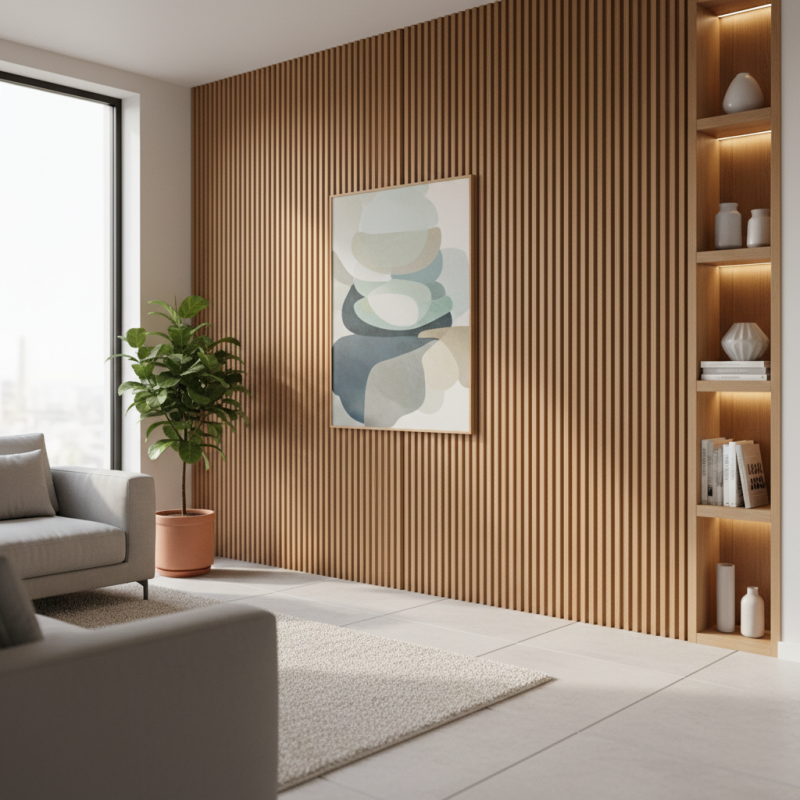
How to Choose the Best Fluted Wall Panels for Your Project?
Fluted Wall Panels are gaining popularity for their aesthetic appeal and versatility. Choosing the right panels can significantly enhance your space. They offer texture and depth, transforming plain walls into stunning features.
When selecting Fluted Wall Panels, consider the material, color, and finish. High-quality options not only look good but also last longer. A panel may look great in the store, but how it performs at home matters. Installation gets tricky if you don’t account for the wall type.
Pay attention to the patterns and dimensions as well. Some designs may overwhelm a small room. Research different styles and imagine them in your project. Don’t hesitate to seek expert advice; a professional’s perspective can save time and resources. Finding the best Fluted Wall Panels is a blend of art and practicality. Your choices shape not just a room but an entire atmosphere.
Factors to Consider When Choosing Fluted Wall Panels for Your Project
When selecting fluted wall panels, several factors deserve attention. Start with material choice. Different materials yield varied aesthetics and durability. According to a study by the American Institute of Architects, fiberglass and wood are common options. Each material has unique care requirements and price points. Selecting wisely can impact your project's longevity and overall cost.
Consider the panel's dimensions and spacing. Fluted panels come in various sizes, and their placement affects visual perception. A study by the Journal of Architectural Engineering highlights that wider spacing can create an illusion of depth. Narrow panels offer a modern vibe but may require more precise installation. How you plan to light the panels impacts their appearance as well.
Finally, think about your project's specific needs. Are you looking for sound absorption or thermal insulation? Reports from the International Interior Design Association indicate that certain fluted panel designs provide better acoustics than others. Reflect on how these factors align with your project goals. Balancing aesthetics and functionality can pose challenges. Be prepared to adapt your initial vision to achieve the best results.
How to Choose the Best Fluted Wall Panels for Your Project?
| Factor | Description | Examples |
| Material | Consider the durability and maintenance of the material. | Wood, PVC, MDF |
| Design Style | Choose a design that complements the overall aesthetic of the space. | Modern, Rustic, Traditional |
| Thickness | Thickness affects the durability and sound insulation. | 1/4 inch, 1/2 inch, 3/4 inch |
| Finishing Options | Consider the finish for aesthetics and protection. | Painted, Veneered, Laminated |
| Installation Method | Check how easy it is to install the panels. | Adhesive, Tongue and Groove, Clipped |
| Cost | Budget for the project while considering the quality. | $10-$50 per panel |
| Environmental Impact | Choose eco-friendly options if sustainability is a concern. | Recycled Materials, FSC Certified Wood |
Material Options and Their Impact on Aesthetics and Durability
Choosing fluted wall panels requires careful consideration of materials. Each option influences both aesthetics and durability. Wood, for instance, offers warmth and a classic look. However, it may require more maintenance over time. In contrast, PVC panels are lightweight and resistant to moisture. They can mimic other materials but might lack the richness of natural wood.
When deciding on materials, consider the overall design of your project. For a modern aesthetic, metal fluted panels could be ideal. They provide a sleek finish and are robust against wear and tear. However, their cold appearance might not fit every theme. Balancing beauty and functionality is crucial.
Tips: Always request samples before making a final decision. Visualizing the material in your space can help avoid costly mistakes. Also, think about the installation process. Some materials are easier to work with than others. Reflect on your project's requirements and choose wisely.
Understanding Fluted Wall Panel Dimensions and Their Applications
When selecting fluted wall panels, understanding dimensions is crucial. Fluted panels vary, with common widths ranging from 6 to 12 inches. Their height often extends from 8 to 10 feet. Accurate dimensions ensure a seamless fit and optimum aesthetic appeal. A well-sized panel can transform a space, while poorly chosen dimensions may lead to unbalanced visuals.
The applications of fluted wall panels are diverse. In residential design, they enhance living rooms and dining areas, adding texture and depth. For commercial spaces, these panels serve both functional and decorative roles. According to a recent industry report, the use of wall panels in commercial interiors has increased by 35% over the last five years, reflecting a growing trend towards textured finishes. However, challenges arise with installation variations and local building codes. Clear guidance and reliable sources can mitigate these issues, ensuring compliance and quality.
Sourcing high-quality materials is essential, yet often overlooked. The durability and aesthetic lifespan of fluted panels depend heavily on the quality of the materials used. A study indicated that poor material selection leads to a 25%% higher risk of panel failure within five years. Attention to detail in choosing dimensions and materials can prevent costly mistakes in the long run.
Cost Analysis: Budgeting for Fluted Wall Panels in Your Design
When budgeting for fluted wall panels, consider your project’s scale and design needs. Fluted panels can range from affordable materials to high-end finishes. This variability greatly impacts your overall cost. A small project may only require a few panels, while larger spaces demand significant quantities, steadily increasing expenses.
Think about installation costs as well. Hiring professionals can add to your budget, especially for intricate designs. DIY installation might save money, yet it requires skills and tools that not everyone has. You may want to factor in unexpected expenses like additional materials or repairs. Prices fluctuate, so research and plan ahead.
Consider the longevity of your chosen materials. Long-lasting options may cost more upfront but save money over time. Also, discuss your design vision with a professional. They can help you identify potential pitfalls and guide you in selecting panels that balance aesthetics and costs effectively. Always allow for flexibility in your budget; prices can change, and unexpected adjustments might be needed.
Installation Techniques and Maintenance for Long-lasting Performance
Installing fluted wall panels can significantly enhance the aesthetics and acoustics of a space. Proper installation techniques are crucial for achieving a flawless look. Begin by measuring the wall surface accurately. Use quality tools to cut the panels to size, ensuring each piece fits snugly. Some may struggle with uneven walls. In such cases, consider using shims to ensure a level installation. The right adhesive is also vital. Follow the manufacturer’s guidelines for application to avoid issues.
Maintaining your fluted wall panels is essential for longevity. Regular cleaning can prevent dust buildup and keep them looking fresh. A soft, damp cloth is often sufficient. For stubborn stains, a mild detergent may help. Watch out for water damage, especially in humid areas. Sealants can provide an extra layer of protection against moisture. While fluted panels are durable, they may need periodic checks for wear. Assess the seams and edges regularly. This proactive maintenance can save you time and effort in the long run, preserving the beauty and functionality of your project.
Fluted Wall Panels: Popular Materials and Their Durability Ratings
This chart presents the durability ratings of several popular fluted wall panel materials based on various environmental conditions.