2026 How to Choose the Best Air Vacuum Packing Machine?
Choosing the best Air Vacuum Packing Machine requires careful consideration of various factors. The global vacuum packing machine market is expected to reach $2.66 billion by 2026, reflecting a growing demand. This growth is driven by the rising need for food preservation and packaging efficiency across industries.
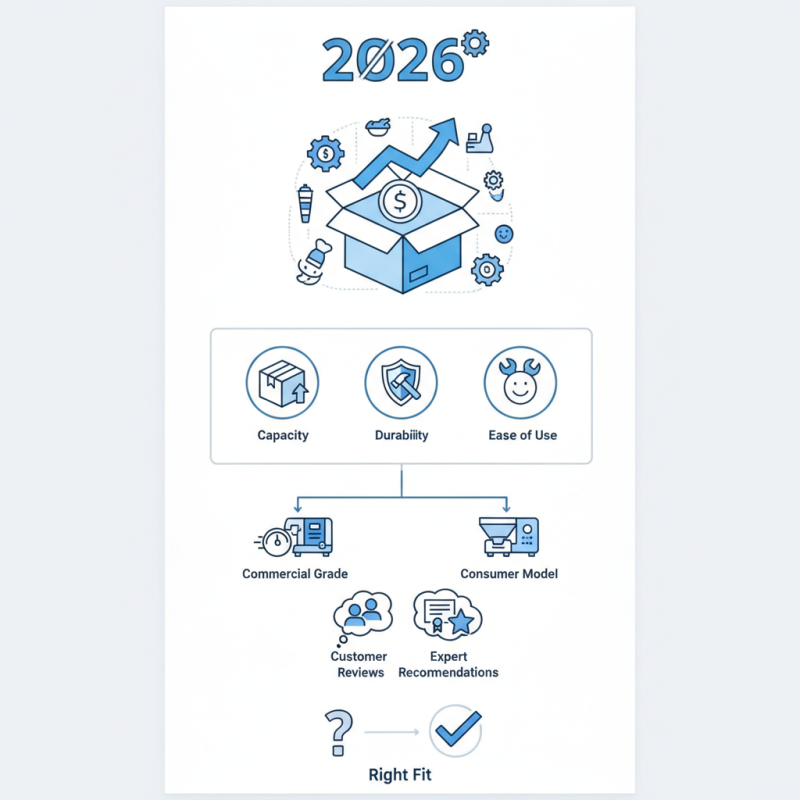
In selecting an Air Vacuum Packing Machine, consider factors like capacity, durability, and ease of use. Not every machine offers the same efficiency, and the wrong choice can lead to wasted resources. Some devices struggle with sealing, while others offer advanced features but may complicate use. Customer reviews and expert recommendations are valuable for identifying reliable brands.
Professional reports suggest evaluating machines based on their intended use. For instance, commercial-grade machines often outperform consumer models in speed and performance. However, they can be more complex and expensive. Reflecting on these nuances helps ensure the right fit for your specific needs.
Understanding the Basics of Air Vacuum Packing Machines
Air vacuum packing machines play a crucial role in food preservation and storage. They remove air from packaging, slowing degradation. According to industry data, about 40% of food is wasted globally, partly due to spoilage. This highlights the importance of using efficient packaging solutions.
When selecting a vacuum packing machine, consider key factors like suction power and bag compatibility. A machine's suction power determines its efficiency in sealing bags tightly. The right bags enhance the machine's performance, ensuring a proper fit and barrier against air infiltration. Some machines struggle with thicker materials, leading to ineffective sealing and waste.
Moreover, user experience matters. Machines with complicated controls may discourage regular use. Consumer preference trends indicate that simplicity and usability drive purchasing decisions. Reports show that 70% of users prefer machines with intuitive interfaces. Reflecting on these factors can guide you to choose a machine that balances performance and ease of use, contributing to effective food storage.
2026 Air Vacuum Packing Machine Features Comparison
Key Features to Consider When Choosing a Vacuum Packing Machine
Choosing the right air vacuum packing machine involves considering several key features. Start with the machine's sealing capability. A strong seal prevents air from entering and keeps food fresh for longer. Look for machines with adjustable sealing times. This feature allows you to customize the seal based on the type of food being packed.
Another crucial factor is the vacuum strength. A powerful vacuum ensures more air is removed from the bags. This helps in extending the shelf life of items like meats and vegetables. Check the machine's specifications for maximum pressure. Machines that operate at higher levels tend to provide better results.
Ease of use is also important. A user-friendly interface makes the packing process smoother. Look for machines with simple controls and clear indicators. This reduces the chance of mistakes during packing. Variety in bag sizes is another consideration. Machines that accommodate different sizes give you flexibility. Yet, some users find compatibility issues with specific bags. It's vital to ensure that the machine works well with available bag options.
Types of Vacuum Packing Machines and Their Applications
When considering vacuum packing machines, it's essential to understand their types and applications. Generally, there are two main categories: chamber vacuum sealers and external vacuum sealers. Chamber machines are often used in commercial settings. They function by placing bags in a sealed chamber, which removes air and seals the bag simultaneously. This method is efficient for bulk packaging and can handle liquids well.
External vacuum sealers are more common in household use. They operate by suctioning air from bags while the bag remains outside the machine. This option is convenient for smaller portions and easy to use, making it popular among home cooks. According to the Vacuum Packaging Manufacturers Association (VPMA), the demand for vacuum sealing machines in the home kitchen segment has seen a 35% rise in recent years, emphasizing the growing trend of food preservation.
Specific applications of these machines vary significantly. For instance, in the food industry, preventing spoilage is crucial. A report from Food Processing Technology indicates that vacuum packaging can extend shelf life by up to 5 times. However, not all foods are suited for vacuum packing. Items with high moisture content may face challenges. Furthermore, improper sealing techniques can lead to air pockets, compromising the preservation process. Understanding these nuances is vital for maximizing the benefits of vacuum packing machines.
Comparing Price and Quality: Finding the Right Balance
When selecting an air vacuum packing machine, price and quality are crucial. According to a report by the Food Processing Industry Association, 70% of consumers prioritize quality over price when buying packaging equipment. This reflects a growing trend where durability and efficiency matter more than upfront costs. Investing in a high-quality machine could save on long-term operational costs.
However, balancing cost and quality can prove challenging. Some low-cost machines may have shorter lifespans or lower capabilities. The National Packaging Association reports that 30% of basic vacuum sealers fail within their first two years. This data raises concerns regarding reliability. It's essential to consider the materials used in construction and the technology behind the machine. Look for user reviews and expert recommendations to gain insight into performance and potential issues.
Finding the right machine isn’t just about price tags. A well-rounded approach includes assessing features like suction power and seal strength. Understanding the needs of your kitchen or business plays a significant role. Don’t overlook warranty options, either. A solid warranty can signal manufacturer confidence. Sometimes, a slightly higher investment leads to significant long-term savings.
2026 How to Choose the Best Air Vacuum Packing Machine? - Comparing Price and Quality: Finding the Right Balance
| Model | Price (USD) | Power (W) | Vacuum Strength (Hg) | Sealing Time (sec) | Weight (lbs) |
| Model A | $129.99 | 120 | 25 | 15 | 5.5 |
| Model B | $249.99 | 150 | 30 | 12 | 7.2 |
| Model C | $179.99 | 130 | 28 | 14 | 6.0 |
| Model D | $299.99 | 180 | 35 | 10 | 9.0 |
Maintenance Tips for Longevity of Your Vacuum Packing Machine
Maintaining your vacuum packing machine is crucial for long-term performance. Regular care can significantly extend its lifespan. This simple investment in maintenance pays off greatly.
To start, always clean the sealing bar after each use. Food residues can stick and cause poor sealing. Use a damp cloth, not harsh chemicals. Remember, excessive cleaning can wear out the components.
Another tip is to check the vacuum bags. They should be free from tears and punctures. Using damaged bags can lead to air leaks, affecting preservation. If you notice wear, replace them promptly.
Also, inspect the gaskets regularly. A worn-out gasket can compromise the vacuum seal. If it seems brittle or cracked, consider replacing it. Routine checks can save you from costly repairs later.