How to Choose the Best Cone Crusher Spare Parts for Efficiency?
Choosing the right Cone Crusher Spare Parts is essential for optimal performance. These components play a critical role in the efficiency of your crusher. Selecting high-quality parts ensures reliability and durability, which ultimately affects production costs.
Understanding your specific needs is vital. Different operations require different types of Cone Crusher Spare Parts. Researching various manufacturers can help identify quality products. However, not all suppliers provide reliable parts. Some may compromise quality for lower prices, leading to operational setbacks.
Consideration of material and design is vital. High-quality parts, crafted from durable materials, tend to outperform inferior alternatives. Paying attention to details like compatibility and service life can lead to better performance. Reflecting on past experiences and learning from them can guide your decision-making process. Always evaluate options critically to achieve the best results.
Understanding the Role of Cone Crusher Spare Parts in Operation
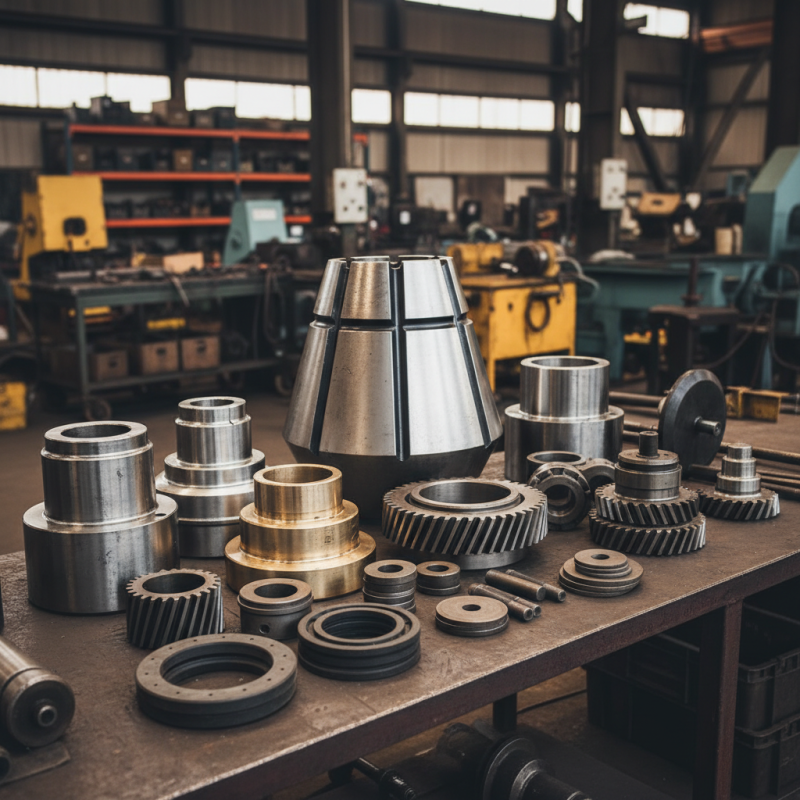
When it comes to cone crushers, spare parts play a crucial role in maintaining operational efficiency. These parts include cone liners, feed cones, and mantle assemblies. Each component directly impacts the machine's performance and longevity. A study by the Mining Equipment Manufacturers Association revealed that proper maintenance, including timely replacement of spare parts, can boost efficiency by up to 30%.
Using low-quality spare parts can lead to frequent breakdowns and reduced productivity. Industry experts recommend sourcing parts from reputable suppliers to ensure compatibility and durability. For instance, investing in higher-grade materials can prevent rapid wear and extend the life of your equipment. Moreover, unnecessary downtime due to poor-quality parts can be detrimental.
Understanding the specific needs of your operation is essential. The wrong part can lead to inefficient crushing and negatively impact output. Many operators overlook this detail, thinking all parts are interchangeable. This misconception can be costly. Regular assessments of equipment performance should guide spare parts selection, ensuring that your cone crusher remains efficient and productive in the long run.
How to Choose the Best Cone Crusher Spare Parts for Efficiency?
| Spare Part | Material | Compatibility | Expected Lifespan (Hours) | Cost (USD) |
| Mantle | High manganese steel | Most standard cone crushers | 3000 | 150 |
| Concave | Alloy steel | Compatible with various models | 2500 | 120 |
| Main Shaft | Forged steel | Specific to models | 5000 | 400 |
| Hydraulic Cylinder | Stainless steel | Universal adaptors available | 4000 | 250 |
| Dust Seal | Rubber | Various models | 1000 | 30 |
Factors Affecting the Choice of Cone Crusher Spare Parts
When selecting cone crusher spare parts, there are several critical factors to consider. The material quality plays a significant role. For instance, manganese steel is commonly used for the mantle and concave. This alloy offers excellent wear resistance, particularly in high-impact settings. Research indicates that using high-quality materials can extend the lifespan of these components by up to 20%.
Design specifications also influence part selection. Components must fit the original design precisely. Any deviations can lead to inefficiencies. Incompatible parts may reduce crushing efficiency by as much as 15%. This impacts overall production rates and increases operational costs significantly.
The sourcing of spare parts is another essential factor. Reliable suppliers often provide parts that meet stringent industry standards. A recent industry report highlighted that nearly 30% of broken equipment issues stem from subpar spare parts. Proper documentation, testing, and certifications ensure quality. However, it requires diligent research to identify trustworthy sources. This step is crucial for maintaining operational efficiency over time.
Key Materials Used in Cone Crusher Spare Parts Manufacturing
When selecting cone crusher spare parts, material quality plays a crucial role. Key materials include manganese steel, which enhances wear resistance and durability. Manganese content varies, affecting the hardness and toughness of the part. Research shows that high manganese steel can endure severe crushing environments. It is essential to choose parts with optimal manganese levels for best performance.
Another critical material is alloy steel, often used in the manufacturing of replacement components. Alloy steel’s unique properties improve strength and wear resistance. According to industry reports, the use of alloy materials can increase the life span of components by up to 30%. This increase is vital for reducing downtime and maintenance costs.
However, not all spare parts provide the same efficiency. Quality control during production is often overlooked, leading to inconsistencies. Using subpar materials can result in rapid wear and costly replacements. Buyers should evaluate their suppliers’ manufacturing processes to ensure reliability. Investing in high-quality materials is essential, but one must remain vigilant about the source and authenticity of these parts.
Evaluating the Compatibility of Spare Parts with Your Equipment
Choosing the right spare parts for your cone crusher is crucial. Compatibility ensures your equipment runs efficiently. Mismatched parts can cause unnecessary wear and tear. Always check specifications before making a purchase. This attention to detail can save you time and money.
Consider the materials used in the spare parts. Durable materials lead to longer service life. Look for parts made from quality steel or alloy. Research the thermal and mechanical properties of these materials. They should match your equipment’s operational requirements. A wrong choice here could lead to operational failures.
Visit industry forums or consult experts for advice. Gather insights from users who have experience with specific parts. Their feedback can guide your decision-making process. Document any issues faced with previous parts. This information can help refine your choices in the future. Compatibility is not just a checkbox; it’s a path to efficiency and longevity.
Maintenance Tips for Maximizing the Lifespan of Spare Parts
Cone crushers are essential for aggregate production. However, the longevity of spare parts can significantly impact operational efficiency. According to industry reports, poorly maintained components lead to a 30% increase in downtime. Regular inspections can help identify wear early. This preventive approach is critical for avoiding costly replacements.
Proper lubrication is vital for maximizing the lifespan of spare parts. A study showed that 70% of machinery failures result from inadequate lubrication. Operators should follow manufacturer guidelines to ensure optimal performance. The type of lubricant used can also affect the operating temperature, which, if too high, can reduce the life of components.
Additionally, environmental factors play a crucial role. Dust and contamination can accelerate wear. Implementing a cleaning protocol around the crusher can help mitigate these issues. It may feel inconvenient, but neglecting this maintenance can lead to bigger problems. Reports indicate that proactive maintenance practices often reduce repair costs by up to 40%.