Top 10 Benefits of Using Plastic Water Pipes in Your Home?
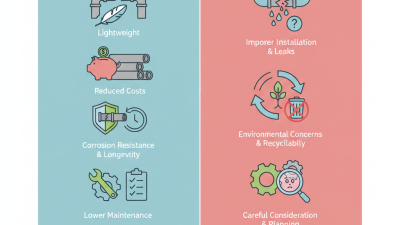
When considering home infrastructure, the value of plastic water pipes cannot be overlooked. Recent industry reports indicate that utilizing plastic water pipes can reduce installation costs by up to 30%. These pipes are lightweight yet sturdy, making them easier to handle during construction. Unlike traditional materials, plastic water pipes resist corrosion, which can lead to longer-lasting plumbing systems.
Moreover, the versatility of plastic water pipe is notable. They can be used in various applications, including drinking water distribution and landscaping. However, some concerns arise regarding their environmental impact and recycling potential. While they offer many advantages, this aspect requires further reflection. Homes using plastic water pipes often benefit from lower energy consumption, enhancing overall efficiency. However, we must consider the lifecycle of these materials and their impact on future generations.
Benefits of Plastic Water Pipes: Cost-Effectiveness in Plumbing Solutions
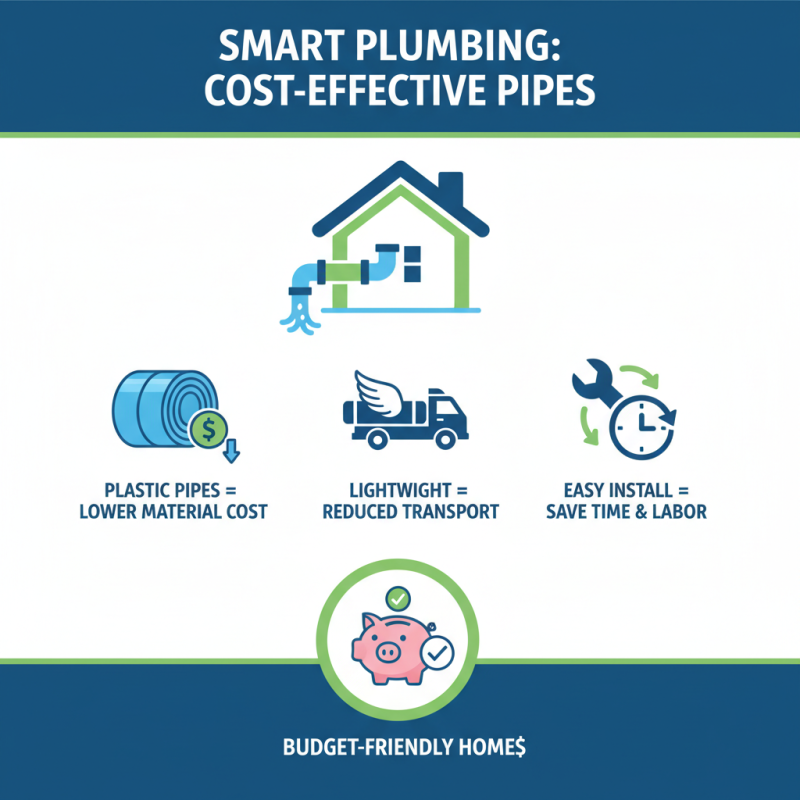
When considering plumbing solutions, cost-effectiveness stands out as a critical factor. Plastic water pipes are often more affordable than traditional alternatives. Their lightweight nature reduces transportation costs. This also makes installation easier, saving both time and labor expenses. Budget-conscious homeowners can find these pipes appealing.
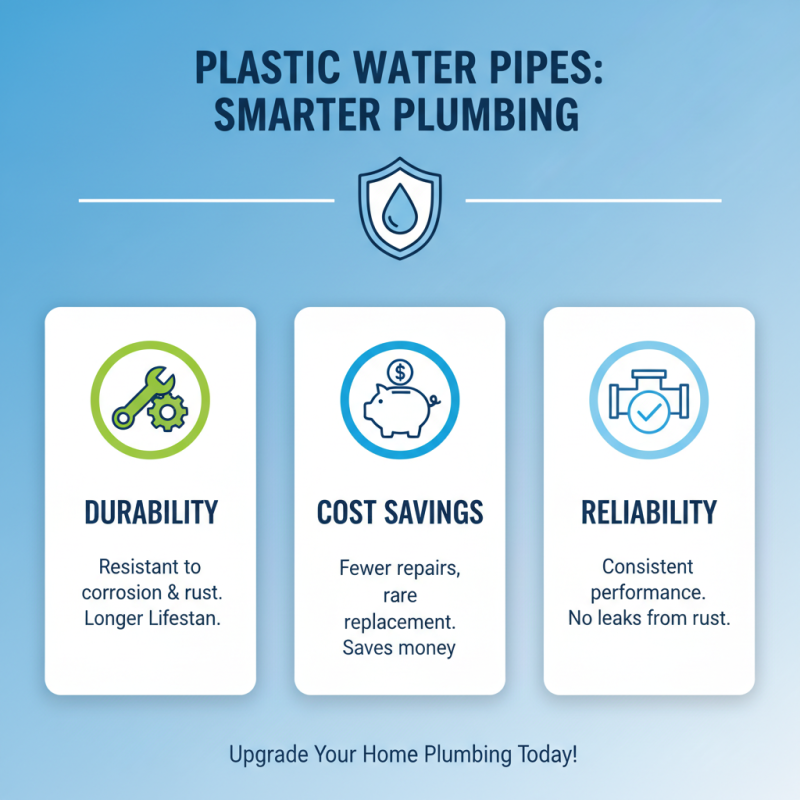
Another advantage lies in their durability. Plastic water pipes resist corrosion and freezing. This feature may mean fewer repairs over time, which can lead to significant savings. However, some might question their longevity under extreme conditions. Different environments can affect performance, so careful selection is essential. Evaluating your specific plumbing needs is crucial before making a decision.
Energy efficiency is another aspect that cannot be overlooked. Plastic pipes retain heat better than metal options. This quality leads to lower heating costs for hot water. Yet, there are limitations based on pipe size and insulation. Balancing the initial investment with long-term benefits requires thoughtful planning. Homeowners should weigh these factors before committing to any plumbing solution.
Ease of Installation: Reducing Labor Time and Costs for Homeowners
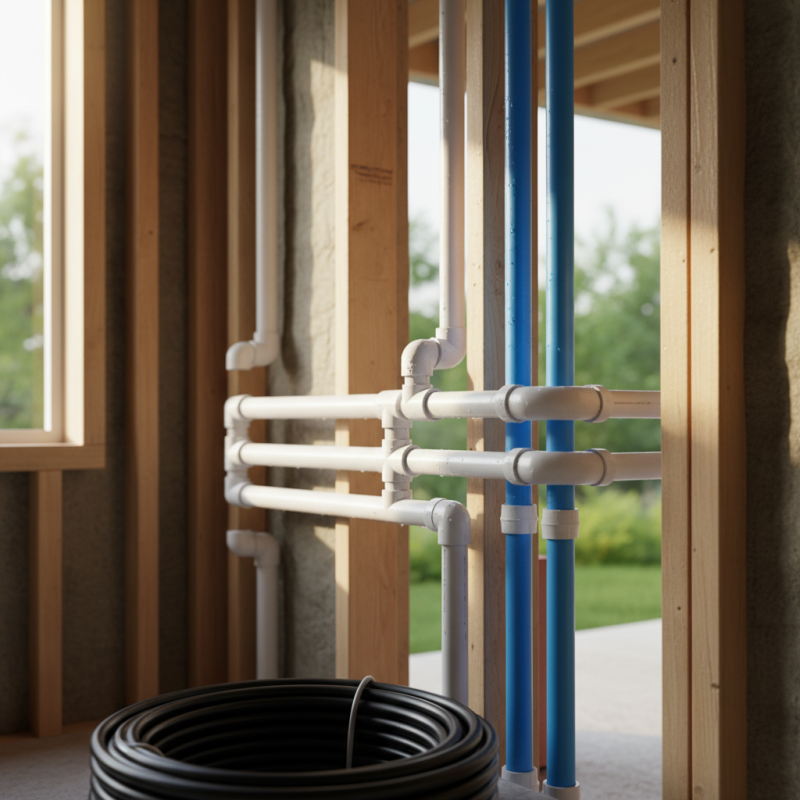
Plastic water pipes have gained popularity due to their ease of installation. This feature significantly reduces labor time and costs for homeowners. A study from the Plumbing Manufacturers International indicates that plastic pipes can be installed 50% faster than traditional materials. This speed allows for quicker project completion, saving both time and money.
The lightweight nature of plastic pipes also simplifies the handling process. Workers need less equipment to lift and fit these pipes, reducing the risk of injury. Despite these benefits, some contractors express concerns about the long-term durability of certain types of plastic piping. They worry that factors like extreme temperatures may affect the performance of these materials over time.
Moreover, not all plumbing systems are compatible with plastic pipes. Homeowners should consult professionals to ensure a proper fit. Choosing the right pipe can be tricky, as not every type offers the same performance. Research shows that nearly 40% of plumbing issues stem from improper installation or material selection. This statistic highlights the importance of careful planning during installation.
Thermal Efficiency: How Plastic Pipes Conserve Energy in Water Heating
Using plastic water pipes in your home can significantly enhance thermal efficiency. These lightweight pipes have excellent insulation properties. They keep hot water hot and cold water cold. This feature reduces energy loss. Because of this, your water heating system works more efficiently. You’ll notice lower energy bills.
Tips for maximizing their benefits include properly insulating pipes. Insulation helps maintain water temperature. Another tip is to avoid sharp bends in pipes. Sharp bends can create pressure loss and reduce efficiency. Make sure your installation is neat and organized. A well-laid setup reduces energy waste.
Plastic pipes are also resistant to corrosion. Unlike metal, they don’t rust or decay. This means a longer lifespan and less maintenance. However, be mindful of extreme temperature changes. Always check for signs of wear or damage over time. Regular inspections can prevent future issues. By being diligent, you can fully enjoy the benefits of plastic water pipes in your home.
Health and Safety: Non-Toxic Standards of Modern Plastic Water Piping
Modern plastic water piping systems have significantly improved safety standards. Many types of plastic pipes meet non-toxic criteria set by organizations like the Environmental Protection Agency (EPA). They are designed to prevent harmful substances from leaching into the water supply. This feature is critical, as studies indicate that traditional metal pipes can corrode, possibly leading to lead contamination. A report from the American Society of Plumbing Engineers highlights that over 75% of water quality issues stem from outdated piping materials.
Moreover, the adaptability and durability of plastic pipes contribute to their appeal. They resist rust and scaling, which can compromise water quality. According to the Plastic Pipe and Fittings Association, modern plastic materials can last over 50 years with minimal maintenance. However, some environmental concerns remain. The manufacturing process of plastic pipe can be energy-intensive and generate emissions. It’s crucial to balance immediate health benefits with long-term sustainability.
While plastic water pipes are generally safer, caution is necessary. Not all plastic materials are created equal. The plumbing industry must ensure that only compliant and certified products are used. Continuous monitoring and research are essential to maintain high safety standards. Homeowners should inquire about the materials used in their plumbing systems to ensure they meet all health regulations.