What Are the Benefits of Using Plastic Pipe in Construction?
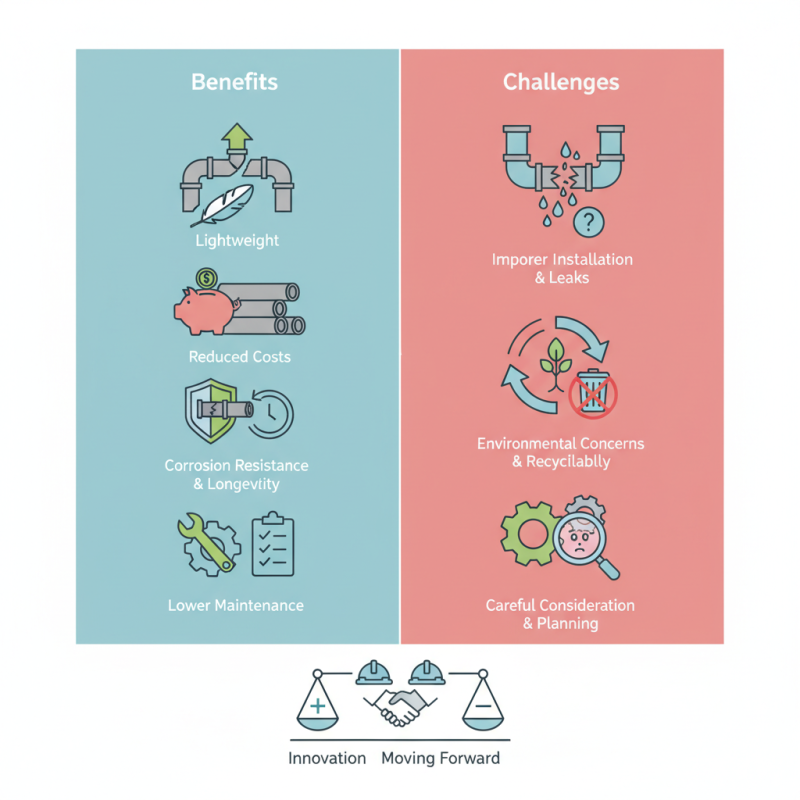
In modern construction, the use of plastic pipe has become increasingly common. This material offers numerous benefits, making it a popular choice among builders and engineers. Plastic pipes are lightweight, reducing transportation costs and labor efforts during installation. They resist corrosion and rust, ensuring longevity and lowering maintenance needs.
However, reliance on plastic pipe does come with its own set of challenges. For instance, improper installation can lead to leaks and failures over time. Additionally, concerns about environmental impacts and recyclability are worth addressing. Understanding both the benefits and drawbacks is crucial as the construction industry moves forward. Embracing plastic pipe can lead to innovative solutions, yet it requires careful consideration and planning.
Benefits of Plastic Pipe in Construction: An Overview
Plastic pipes have become a popular choice in construction projects for several reasons. They are lightweight and easy to handle, which can speed up the installation process. Workers can transport them without much effort. This can lead to lower labor costs. However, some may argue that their lightweight nature can also pose challenges. Improper handling might lead to damages during transport.
Durability is another key benefit of plastic pipes. They resist corrosion and are less likely to crack compared to traditional materials. This can extend the lifespan of infrastructure. Still, the quality of plastic can vary greatly. If not manufactured properly, they may not perform well under extreme conditions. Builders should be cautious and choose reputable suppliers.
Additionally, plastic pipes are often more affordable than metal alternatives. This cost-effectiveness can be crucial for budget-sensitive projects. However, the initial low cost might overshadow long-term performance issues. If installed incorrectly, they could require costly repairs or replacements later on. Therefore, considering both short-term savings and long-term reliability is essential.
Durability and Longevity of Plastic Pipes in Construction
Plastic pipes have increasingly become a vital choice in construction due to their durability and longevity. They resist corrosion and are less prone to damage from harsh weather conditions. This makes them ideal for both above-ground and underground applications. Unlike metal pipes, plastic does not rust or corrode over time, ensuring a longer lifespan.
Moreover, plastic pipes offer significant resistance to chemicals and other substances. This characteristic protects the integrity of the pipes and the surrounding environment. They can withstand various pressures, making them dependable in high-demand systems. However, it is essential to assess the specific context of use, as temperature fluctuations can affect some plastic types.
Installation is another aspect where plastic pipes shine. They are lighter and easier to handle than traditional materials. Yet, some might argue that these benefits come with trade-offs. For instance, flexibility can lead to issues if not properly secured. Proper installation techniques are crucial for maximizing their lifespan. Addressing these nuances ensures that plastic pipes can deliver on their promise of durability over time.
Cost-Effectiveness of Plastic Pipe Compared to Traditional Materials
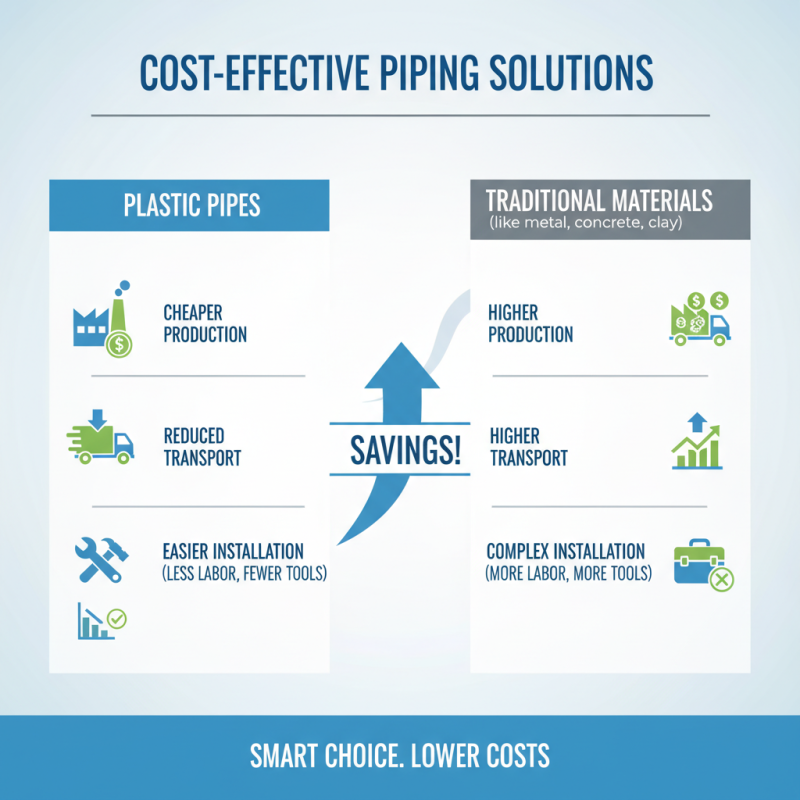
When comparing plastic pipes to traditional materials, the cost-effectiveness is striking. Plastic pipes are generally cheaper to produce and install. Their lightweight nature reduces transportation costs. Installation labor is often less expensive because they are easier to handle. Additionally, fewer tools are needed for installation.
However, not all plastic pipes are created equal. Some may require protective coatings. This can add to the initial costs. Long-term durability is another concern. While some plastic pipes resist corrosion, others may degrade over time. Users should carefully consider these factors when choosing materials.
In some cases, hidden costs emerge during installation. If not installed correctly, the integrity can be compromised. Flaws may lead to leaks and failures later. This is crucial for projects that involve water transport. As tempting as the initial savings are, future maintenance should also factor into the decision.
Ease of Installation and Maintenance for Plastic Pipe Systems
Plastic pipes have gained popularity in construction due to their ease of installation and maintenance. They are lightweight and flexible, which makes transportation easier. Workers can handle plastic pipes without heavy equipment. This feature leads to quicker project completion times. Fewer labor hours can significantly cut costs.
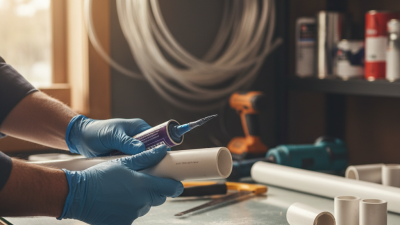
Maintenance of plastic pipe systems is relatively straightforward. They resist corrosion and scale buildup. As a result, repairs are infrequent. However, some challenges remain. Installers must ensure proper fittings to avoid leaks. Misalignment can lead to issues down the line. Using the right tools is crucial.
Despite their advantages, there are drawbacks. Extreme temperatures can affect plastic pipes. They might become brittle or warp. Therefore, thorough planning is necessary. Knowing the specific environment is essential. Proper installation techniques are required to mitigate these risks. Overall, the benefits of plastic pipes make them a compelling choice for many construction projects.
Benefits of Using Plastic Pipe in Construction
Environmental Impact and Sustainability of Plastic Pipes in Construction
Plastic pipes are gaining popularity in construction due to their environmental benefits.
They are lightweight, which reduces transportation emissions. Additionally, they are resistant to corrosion and do not leach harmful substances into the soil.
According to the Plastics Pipe Institute, using plastic pipes can cut greenhouse gas emissions by up to
90% compared to traditional materials.
However, plastic pipe production does contribute to pollution. Manufacturing can release volatile organic compounds (VOCs). Yet, advancements in recycling technologies are making them more sustainable.
It's estimated that over 1.5 million tons of plastic pipes are recycled annually in the U.S. This recycling reduces landfill waste and conserves resources.
Tips: Choose pipes made from recycled materials. Look for certifications that ensure lower carbon footprints.
Regularly inspect plastic pipes; this improves longevity and reduces waste. The focus should be on balancing utility and sustainability.
While plastic pipes offer significant advantages, ongoing challenges need addressing.