What are the Benefits of Aisi430 Stainless Steel Sheet?
Aisi430 Stainless Steel Sheet is known for its versatile applications. This material is widely used in various industries. Its magnetic properties make it ideal for components requiring magnetism.
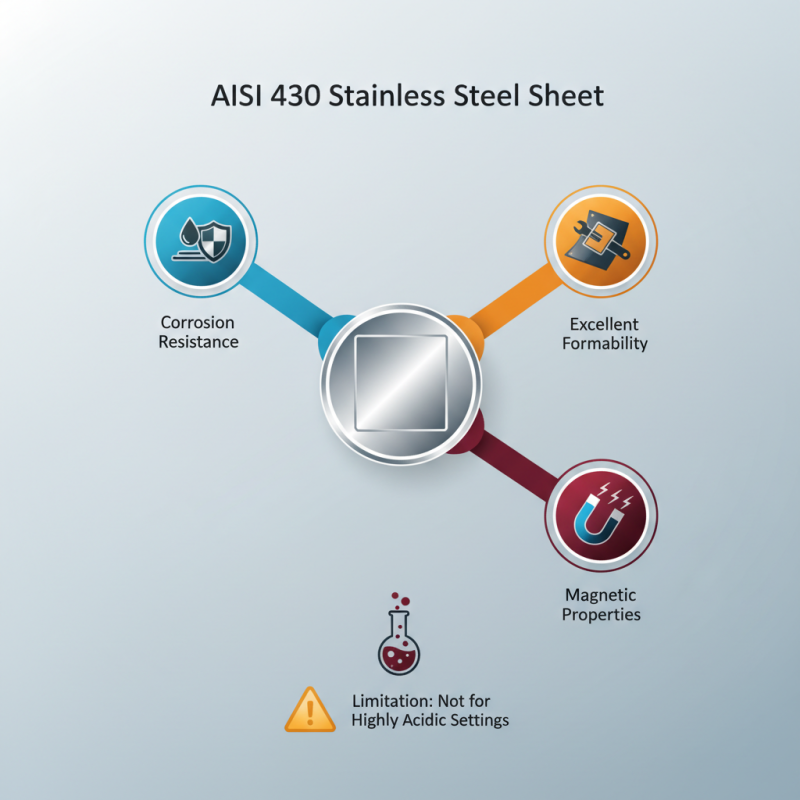
The benefits of Aisi430 Stainless Steel Sheet are numerous. Its corrosion resistance is notable, ensuring durability in different environments. Additionally, it showcases excellent formability, which allows for easy fabrication. Many professionals choose this material for both aesthetic and functional purposes.
However, it is essential to consider its limitations. While Aisi430 offers great resistance, it may not perform well in highly acidic settings. Therefore, understanding its properties and applications is crucial for making informed decisions. This balance between advantages and drawbacks highlights the need for careful selection in engineering contexts.
Benefits of Aisi430 Stainless Steel Sheet in Industrial Applications
Aisi430 stainless steel sheet offers numerous advantages in various industrial applications. This material is known for its moderate corrosion resistance and excellent machinability. Industries often utilize Aisi430 in appliances, automotive parts, and kitchen equipment due to its durability and aesthetic appeal. According to a 2022 report by the International Stainless Steel Forum, the demand for ferritic stainless steels like Aisi430 rose by 5% in 2021, emphasizing its growing importance in the market.
In the food processing industry, Aisi430 is particularly beneficial. Its non-reactive nature ensures that no harmful substances leach into food. This characteristic makes it an ideal choice for food and beverage equipment. Furthermore, Aisi430's ability to withstand high temperatures adds to its reliability in demanding environments. A survey conducted by a leading materials science journal indicates that over 70% of food industry professionals prefer materials that ensure food safety.
Tips: Regular maintenance is essential to preserve the stainless steel's appearance. Proper cleaning with non-abrasive materials can prevent surface degradation. Also, consider environmental factors when choosing this material; it may not be suitable for certain harsh chemical environments. Ensure appropriate applications to maximize its benefits.
Corrosion Resistance of Aisi430 Stainless Steel Sheet
AISI 430 stainless steel is known for its impressive corrosion resistance. This alloy contains approximately 16-18% chromium, contributing to its ability to withstand oxidation and rust. In various environments, including mildly corrosive ones, AISI 430 shows long-lasting durability. For example, a study by the International Journal of Engineering Research indicated that this steel could maintain structural integrity even in humid environments.
However, AISI 430 is not entirely corrosion-proof. Specific conditions, like prolonged exposure to chlorides, may lead to stress corrosion cracking. In marine environments, increased salt can undermine its performance. While it excels in kitchen applications, engineers must assess the environment before choosing AISI 430 for critical applications.
The strength of AISI 430 lies in its combination of chromium and ferritic structure. It exhibits a reasonable balance between cost and performance. A report by the American Society for Materials outlines that AISI 430 remains competitive for applications where aesthetics and longevity are required. Yet, users should remain vigilant about its limitations to optimize its benefits effectively.
Cost-Effectiveness of Aisi430 Stainless Steel Sheet
Aisi430 stainless steel sheet has gained popularity due to its cost-effectiveness. According to industry reports, Aisi430 provides a balance of strength and corrosion resistance. Its price is generally lower than other stainless steel grades, making it a practical choice for various applications. Aisi430 sheets are often used in kitchen appliances and automotive interiors, where durability and aesthetics are essential.
The cost advantages are evident. Recent studies indicate that Aisi430 can reduce manufacturing expenses by up to 25% compared to higher alloyed stainless steels. This reduction in material costs allows companies to allocate budget towards other essential processes. However, users should acknowledge potential trade-offs. While Aisi430 is less expensive, its oxidation resistance is not as high as that of grades like 304. This means long-term performance may vary based on the environment.
Evaluating the application is crucial. For items exposed to high humidity or harsh chemicals, Aisi430 may require additional coatings or treatments to ensure longevity. Understanding these nuances is critical for companies aiming to optimize their budgets while maintaining product quality. The decision should align with both financial and functional needs.
Benefits of Aisi430 Stainless Steel Sheet
Thermal and Electrical Conductivity of Aisi430 Stainless Steel Sheet
AISI 430 stainless steel sheet is known for its unique thermal and electrical conductivity properties. This material is beneficial in various applications, particularly in environments where heat resistance and corrosion resistance are critical. AISI 430 offers decent thermal conductivity, averaging around 24 W/m·K, which is suitable for everyday applications like kitchen equipment and automotive parts.
The electrical conductivity of AISI 430 is relatively low compared to other metals, typically around 1.2% IACS. This characteristic makes it less ideal for electrical applications where high conductivity is required. However, its resistive properties make it useful in applications like heating elements. When designing with AISI 430 steel, engineers must consider both its thermal performance and resistance to electrical flow.
Tip: When selecting materials for heat exchangers, consider not just conductivity but also long-term corrosion resistance. Testing under actual working conditions can reveal more about performance over time. Additionally, it’s crucial to evaluate the specifics of your project to ensure compatibility with AISI 430's limitations in electrical applications.
Versatility and Aesthetic Appeal of Aisi430 Stainless Steel Sheet
Aisi430 stainless steel sheet offers remarkable versatility and aesthetic appeal. This grade is a ferritic stainless steel with magnetic properties, making it unique. It is resistant to corrosion and oxidation, which contributes to its longevity in various environments. According to a report from the International Stainless Steel Forum, Aisi430 is widely used in home appliances, automotive components, and architectural applications due to its cost-effectiveness and durability.
Visually, Aisi430 presents a bright and polished finish, ideal for enhancing the look of design projects. It blends well with different materials, providing a modern touch to kitchens and bathrooms. The industry recognizes the growing trend of using this grade in contemporary design, with a market analysis indicating a projected increase in demand. One challenge, however, is that its aesthetic appeal may tarnish over time if not properly maintained. Regular cleaning and care are essential for preserving its shiny surface.
Moreover, the versatility of Aisi430 allows it to be fabricated into various shapes and sizes, making it suitable for diverse applications. This adaptability encourages experimentation, although it can lead to imperfections if not approached carefully. Ensuring precision during the fabrication process is vital but can be overlooked, affecting the final product's quality. Regular assessments are necessary to address potential shortcomings and enhance the material's overall performance.