
What Is Apartment Furniture and What Types Are There?

Apartment Furniture is more than a collection of attractive pieces. It shapes how a limited home supports sleeping, working, eating, relaxing, and storing daily essentials. In an apartment, every chair, table, and cabinet competes for valuable floor space. Size matters. So does flexibility.

Small-space designer and author Whitney Leigh Morris offers a useful principle: “You don’t have to live in a tiny house to live tiny.” Her observation applies directly to Apartment Furniture. A compact home can feel generous when each item serves a clear purpose. A storage bed can hide seasonal clothing. A nesting table can expand for guests, then disappear beside a sofa. Wall-mounted shelves can protect walking space while displaying books and plants.

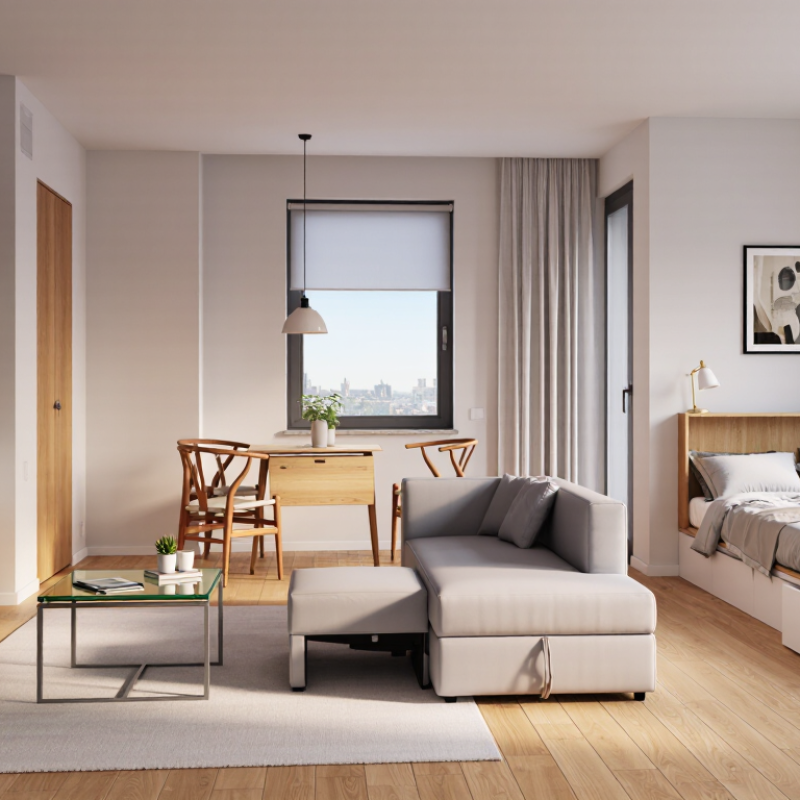
The main types include multifunctional furniture, modular seating, space-saving bedroom pieces, compact dining sets, and apartment-sized storage. Sofas with hidden compartments improve organization. Drop-leaf tables support meals without dominating the room. Slim wardrobes fit narrow walls better than deep cabinets. Lightweight chairs also make rearranging easier.

Still, practical design is not perfect. A sofa bed may save space, but sleeping comfort can suffer. A glass table may look airy, yet fingerprints quickly change its appearance. Measurements should include doors, elevators, stairwells, and walking clearance. Many buyers overlook these details.

This guide examines Apartment Furniture through real household needs, material choices, proportions, durability, and visual balance. The goal is not to fill every corner. It is to create a home that remains comfortable, useful, and honestly suited to everyday living.
What Is Apartment Furniture and What Types Are There?

Definition and Core Features of Apartment Furniture

Apartment furniture is furniture selected for the realities of apartment living. It usually serves compact rooms, shared walls, narrow entrances, and limited storage. Unlike oversized residential pieces, it prioritizes efficient dimensions without abandoning comfort. A sofa may include hidden storage, while a dining table can fold against the wall. These features are practical, not decorative tricks.

The core feature is proportion. Measure the room, doorway, lift, and turning space before ordering anything. A few centimeters can decide whether a wardrobe enters the bedroom. Furniture with raised legs can make a small floor feel more open. Rounded corners may improve movement through a tight passage. Weight also matters. Lighter pieces are easier to reposition during cleaning or relocation. But lightweight does not automatically mean durable. Check joint quality, surface resistance, and the stability of drawers and hinges.

Apartment furniture should also support changing needs. A desk might become a study station, craft surface, or temporary dining area. Modular shelves can adapt as possessions grow, although too many modules may create visual clutter. Materials should suit daily contact, kitchen moisture, and the building’s ventilation conditions. Safety deserves attention: secure tall units where appropriate, keep exits clear, and choose certified materials when documentation is available. In practice, the best choice is not always the smallest one. A poorly designed compact chair can cause discomfort every evening. That detail is easy to overlook.

What Is Apartment Furniture and What Types Are There?

Apartment furniture is designed to provide essential functions while using space efficiently. The chart compares representative widths of common furniture types in centimeters, helping illustrate how size and layout affect apartment living.

Typical widths vary by design and region. Compact, multifunctional, and easily movable pieces are commonly selected for apartments.

Main Categories of Apartment Furniture

Apartment furniture refers to pieces selected for compact, flexible living spaces. The U.S. Census Bureau’s 2023 American Community Survey reports that renters occupy roughly 36% of U.S. housing units. That matters because renters often need furniture that fits narrow rooms, elevator limits, and changing leases. The main categories begin with seating: sofas, lounge chairs, and compact ottomans. A firm two-seat sofa may leave clearer walking space than a deep sectional. Small details matter.

Sleeping furniture forms another core group. Beds, mattresses, bedside tables, and wardrobes support daily comfort. Storage deserves equal attention. Freestanding shelves, drawer units, shoe cabinets, and under-bed boxes reduce visual clutter without permanent installation.

Dining and work furniture often overlap in apartments. A drop-leaf table can serve as a breakfast surface, desk, or temporary project station. It is not always perfect.

Lighting and occasional furniture complete the practical system. Floor lamps, task lights, coffee tables, side tables, mirrors, and rugs shape how residents use each zone. Statista Market Insights estimated the global furniture market at approximately US$766 billion in 2024, showing the category’s broad economic scale. Yet apartment suitability cannot be judged by market size alone. Professional space planning usually checks circulation, storage capacity, seat height, and cleaning access. A beautiful cabinet may still fail if its doors block the hallway. Experiences from small-home projects also suggest measuring doorways twice, because floor plans can omit awkward corners.

Furniture Choices for Different Apartment Rooms

Choosing apartment furniture depends on the room’s function, size, and natural light. In a living room, a compact sofa with raised legs can make the floor feel more open. Add a narrow coffee table with rounded edges for safer movement. A storage ottoman can hold blankets, books, or cables without adding visual clutter. Measure doorways and stairwells before buying.

I once ignored this step, and a comfortable chair became an expensive hallway problem.

Bedrooms need furniture that supports rest and daily routines. A bed with drawers underneath uses space that might otherwise remain empty. Beside it, choose a small nightstand with one drawer and a clear lamp area.

In a home office corner, a desk should provide enough depth for a laptop and writing space. An adjustable chair can reduce shoulder strain during longer work sessions. Keep the desk near daylight, but avoid direct glare on the screen.

Kitchens benefit from slim carts, stackable stools, and sealed containers for dry ingredients.

In entryways, a wall-mounted shelf, shoe cabinet, and sturdy hooks can prevent bags from spreading across the floor. Not every room needs matching furniture. A slightly imperfect mix may feel warmer, although too many finishes can make a small apartment look restless.

Materials, Styles, and Functional Design Options

Apartment furniture is designed for compact rooms, frequent moves, and changing routines. Materials affect durability, weight, comfort, and maintenance. Engineered wood keeps cabinets affordable, while solid wood offers stronger repair potential. Powder-coated steel suits tables and shelving because it resists scratches. Upholstery needs tighter weaves in homes with pets or heavy daily use.

The 2023 U.S. Bureau of Labor Statistics Consumer Expenditure Survey reported average household spending of about $2,164 on furniture and bedding. That figure supports careful selection rather than impulsive buying. A sofa bed can serve guests, while nesting tables create flexible surfaces beside a small couch. Wall-mounted storage protects floor space. However, multifunctional furniture can feel mechanical. Comfort should not be sacrificed for cleverness.

Styles range from minimalist and Scandinavian-inspired forms to industrial, traditional, and soft contemporary designs. Color, leg height, and visual weight strongly influence how large a room feels. The 2024 U.S. Houzz and Home Study found that homeowners continue investing in functional home improvements, including storage-focused upgrades. Apartment furnishings should follow the same principle. Choose rounded edges for narrow walkways, washable covers for busy rooms, and modular pieces when layouts may change. Cheap materials can still look attractive at first. They may fail sooner than expected.

What Is Apartment Furniture and What Types Are There? — Materials, Styles, and Functional Design Options
Furniture Type Primary Apartment Use Typical Materials Common Styles Functional Design Features Typical Dimensions or Capacity Best Suitability Maintenance Considerations
Compact Sofa Seating for living rooms, studios, and open-plan spaces Solid wood or metal frame Foam cushioning Fabric or leather upholstery Modern, Scandinavian, contemporary, mid-century Armless or narrow-arm designs reduce visual and physical bulk; removable cushions simplify cleaning Approximately 160–210 cm wide; usually seats 2–3 adults Small living rooms and studio apartments Vacuum fabric regularly; treat spills promptly; check frame and leg fasteners periodically
Sleeper Sofa Combines everyday seating with occasional guest sleeping Steel or wood mechanism Polyurethane foam Textile upholstery Contemporary, transitional, minimalist Fold-out or click-clack mechanism; supports flexible room use without a separate guest bed Approximately 180–230 cm wide; sleeping surface commonly about 120–160 cm wide One-bedroom apartments and homes without a guest room Operate the mechanism gently; rotate cushions where possible; allow bedding to air after use
Lift-Top Coffee Table Living-room surface for drinks, meals, work, or storage Engineered wood Solid wood Metal hardware Modern farmhouse, industrial, contemporary Raising top creates a temporary work or dining surface; concealed compartments store small items Often 90–120 cm long and 45–60 cm deep; lift height commonly reaches seated table level Remote workers and apartments with limited dining space Use coasters; avoid exceeding the mechanism’s load rating; keep hinges free of debris
Extendable Dining Table Daily dining with additional seating when needed Solid wood Veneered board Metal or wood legs Scandinavian, rustic, modern, industrial Drop-leaf, butterfly-leaf, or sliding extensions adapt the footprint to the occasion Closed length often 90–140 cm; extended length commonly 160–220 cm; seats about 2–8 people Small dining areas and open-plan kitchens Clean with a lightly damp cloth; protect wood from standing water and direct heat
Storage Bed Sleeping with integrated under-bed organization Engineered wood Metal frame Textile upholstery Minimalist, contemporary, upholstered, Scandinavian Drawers or a hydraulic-lift platform use otherwise unused space beneath the mattress Common mattress sizes include 90 × 190 cm, 135 × 190 cm, and 150 × 200 cm; clearance depends on design Bedrooms with limited wardrobes or closets Do not overload drawers; keep lift hardware lubricated if recommended; maintain ventilation around stored items
Modular Shelving Books, décor, media equipment, kitchen supplies, or room division Powder-coated steel Solid wood Engineered wood Industrial, open-plan, minimalist, contemporary Reconfigurable sections allow vertical storage, display, or partial separation between living zones Individual units often range from 60–100 cm wide and 25–40 cm deep; height varies by configuration Open-plan apartments and renters needing flexible organization Anchor tall units where required; distribute heavy items evenly; dust open shelves regularly
Entryway Console Drop zone for keys, mail, bags, and everyday accessories Wood veneer Solid wood Metal Glass Modern, classic, industrial, minimalist Narrow depth preserves circulation; drawers or shelves keep small items organized Commonly 80–120 cm wide and 25–40 cm deep; approximately 75–90 cm high Narrow hallways and compact entrances Secure unstable items; use felt pads under accessories; protect surfaces from wet umbrellas and keys
Nesting Side Tables Flexible surfaces beside sofas, beds, or reading chairs Wood Metal Glass Stone composite Contemporary, mid-century, Scandinavian, eclectic Smaller tables slide beneath larger ones, providing extra surface area only when needed Large table commonly 40–55 cm wide; nested tables may provide two or three surfaces Rooms where permanent side tables would restrict movement Use non-abrasive cleaners; check levelers; avoid placing excessive weight on smaller tables
Wall-Mounted Desk Compact work, study, or occasional dining surface Laminated board Plywood Solid wood Metal brackets Minimalist, modern, floating, Scandinavian Frees floor area; fold-down versions can conceal stationery or equipment Typical width is 80–120 cm and depth is 40–60 cm; ergonomic height is commonly around 72–76 cm Studios, bedrooms, and apartments used for hybrid work Install into suitable wall structure; avoid exceeding bracket capacity; manage cables to reduce strain
Stackable or Folding Chairs Dining, desk, balcony, or occasional guest seating Molded plastic Metal Plywood Wood Modern, industrial, utilitarian, Scandinavian Stacking or folding allows spare seating to be stored in closets or against a wall Typical seat height is approximately 43–48 cm; many models support one adult per chair within their rated load Small dining areas and apartments that host occasional guests Check hinges and feet; stack only within the manufacturer’s stated limit; wipe spills promptly
Multifunctional Ottoman Footrest, extra seating, coffee-table alternative, or concealed storage Foam Fabric Faux leather Wood frame Contemporary, upholstered, bohemian, minimalist Lift-up lids provide storage; flat, firm tops can function as temporary tables with a tray Commonly 45–90 cm wide and 40–50 cm high; capacity depends on frame construction Living rooms requiring flexible furniture with a small footprint Use a tray on soft upholstery; rotate cushions; avoid standing on the ottoman unless specifically designed for it
Apartment Wardrobe Clothing, linens, accessories, and household storage Engineered wood Solid wood Metal rails Glass or mirror panels Modern, traditional, minimalist, industrial Sliding doors save front clearance; adjustable shelves and rails accommodate changing storage needs Common depth is approximately 55–65 cm; modular widths often begin around 60 cm per section Bedrooms with limited built-in closet space Anchor tall wardrobes when necessary; avoid overloading shelves; keep doors and tracks clean
Balcony Furniture Set Outdoor seating and dining in compact exterior areas Powder-coated metal Treated wood Synthetic wicker Outdoor textile Contemporary, coastal, minimalist, café style Foldable chairs and compact bistro tables preserve balcony circulation and can be stored indoors Two-seat sets often use a table about 50–70 cm wide; verify balcony load and clearance requirements Small balconies, terraces, and shared outdoor areas Use weather covers; dry cushions thoroughly; follow local building rules for wind and load safety

How to Select Furniture for Apartment Living

What Is Apartment Furniture and What Types Are There?

How to Select Furniture for Apartment Living

Apartment furniture includes seating, beds, tables, storage units, and lighting suited to compact homes. Common pieces include sofas, platform beds, nesting tables, wardrobes, desks, and foldable dining sets. Their value depends less on decoration and more on proportion, durability, and daily usefulness.

Measure every room before shopping. Record wall lengths, doorway widths, elevator space, and walking paths. A beautiful sofa is inconvenient if it blocks the balcony door. Leave enough clearance around beds, chairs, and kitchen areas for comfortable movement. I once chose a large desk for a small room. It looked impressive, but it made the space feel cramped.

Choose furniture that serves more than one purpose when space is limited. A storage ottoman can hold blankets and provide extra seating. A bed with drawers can replace a separate cabinet. Select sturdy frames, easy-clean fabrics, and finishes that tolerate regular use. Check weight limits for shelves and chairs, especially in shared households. Neutral colors can make a room feel larger, but they are not always practical with children or pets. Consider real habits, not an idealized lifestyle. If you rarely host guests, a compact dining table may be wiser than a large one. Leave some open floor area. Empty space is useful furniture too.